New items added
February 6, 2010


Mark Shuttleworth
P.O. Box 1361
Queen Creek, AZ 85242

Phone: (602)692-7158
or email inquiries to mshutt3@aol.com

LINKS


.........." Happy 2010 to Everyone " ... Jesus says in John 8:12- " I am the light of the world. Whoever follows me will never walk in darkness but will have the light of life "  Praise the Lord for his mercy and grace !   New arrivals and on the way - German Stick Grenade from the Ardennes, Stalingrad dug Whermacht helmet, an SS dug relic helmet, 2 incredible US M1 helmet pots one with battle damage the other with non-comm invasion stripe. Working on a couple dug badges including a German cross 1st class dug in Normandy and another Panzer 4 track link. Have leads on German Panther track links as well please call for details on any of these. We have reduced prices on most current listings for the new year so please take a second look !   God Bless and Thanks for watching the site !


IMPORTED 100% ORIGINAL WWII BATTLEFIELD RECOVERED RELICS FROM EUROPE Terms & Conditions

Please contact us to check availability before purchasing.


In World War I, Field Marshal Foch, the Allied commander in chief, could not be found when a military conference was about to start. An officer friend said, "I think I know where he might be." Foch was found praying nearby at a bombed-out chapel. Abraham Lincoln once said, "I would be the greatest fool on earth if I did not realize that I could never satisfy the demands of the high office without the help of One who is greater and stronger than I am. General Lee and "Stonewall" Jackson and countless others in the Confederate Army were committed to personal prayer time daily .. "King David realized this truth too. Although he was a powerful king, he daily acknowledged his dependence on someone far greater and stronger than he was. Not only did King David begin each day depending on the Lord, but he waited expectantly throughout the day to see how God would work on his behalf.

When we don't pray, we quit the fight.
Prayer keeps the Christian's armor bright.
And Satan trembles when he sees
The weakest saint upon his knees.


WILLIAM COWPER

NEW LISTINGS
Romans 8:28 - " This one thing I know: All things work together for good, to them who Love God. To them who are called according to his eternal purpose."

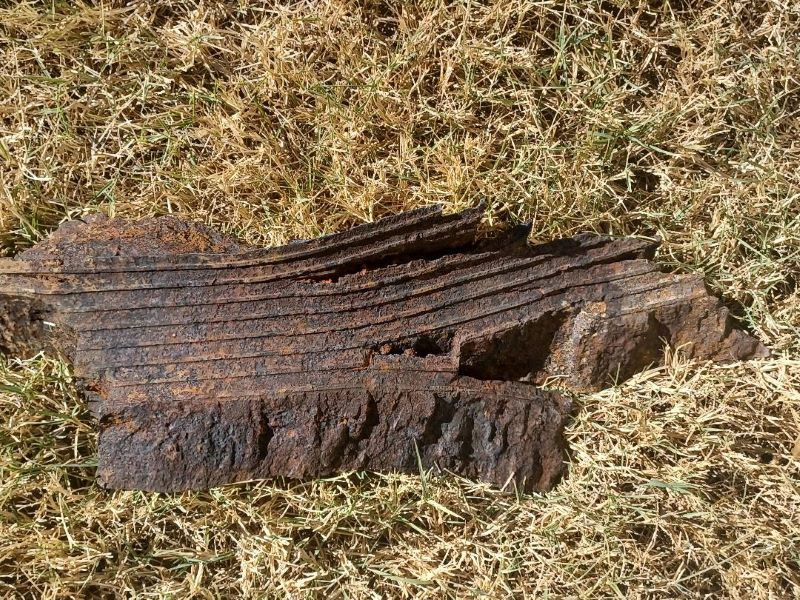
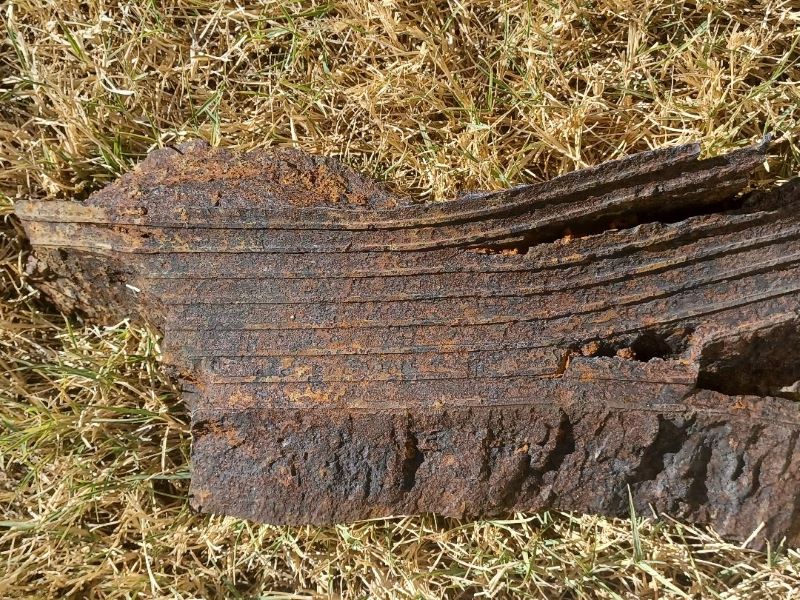
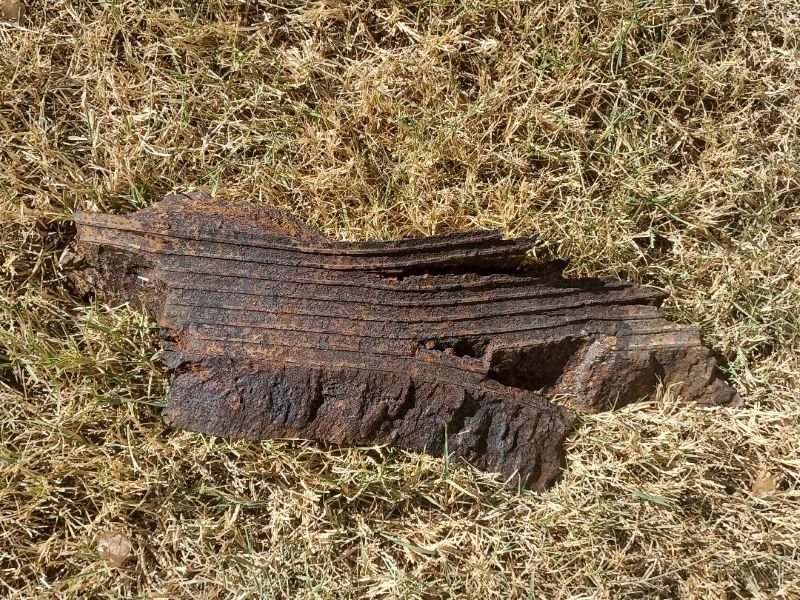
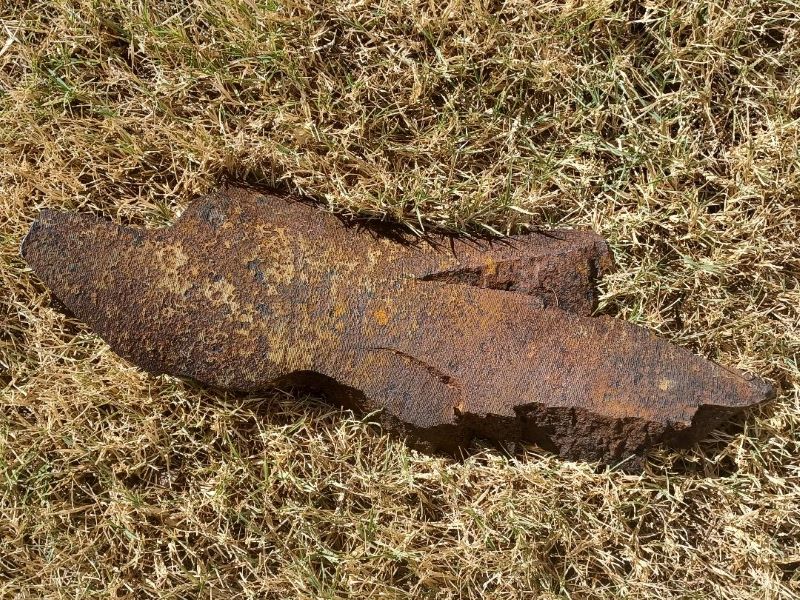
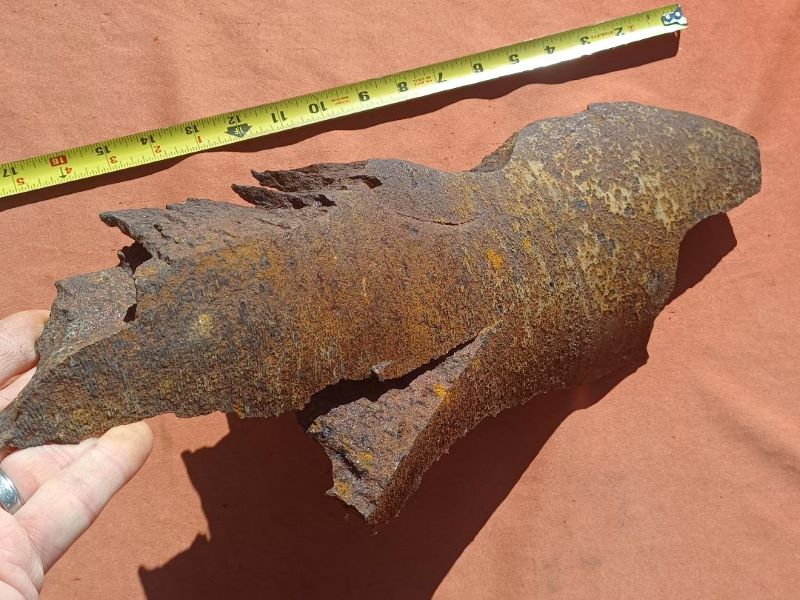
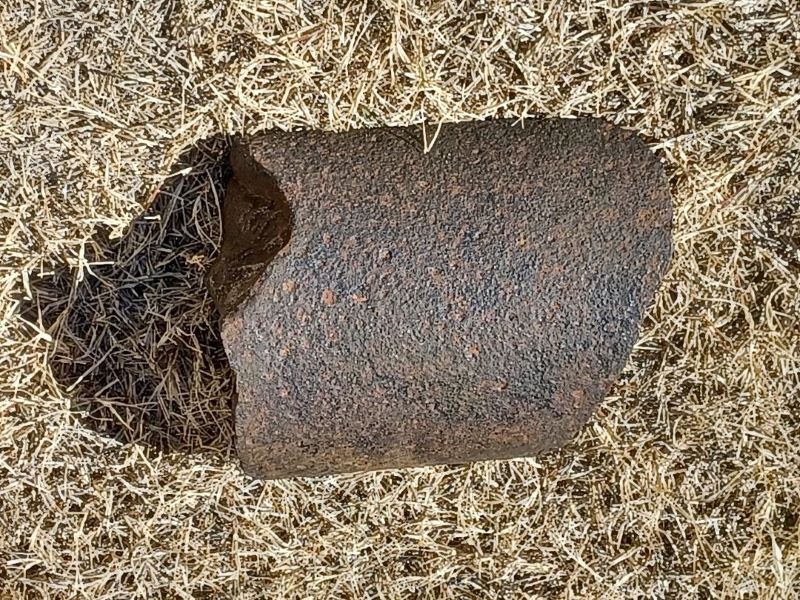
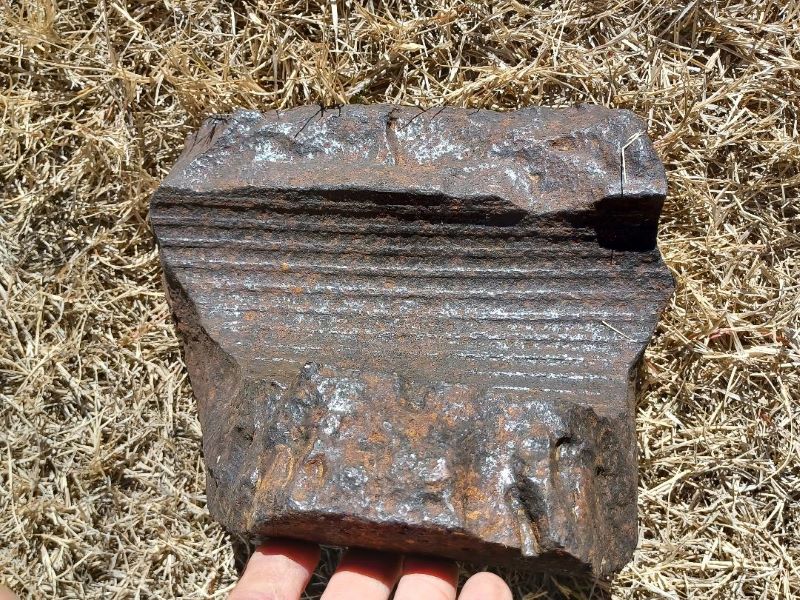
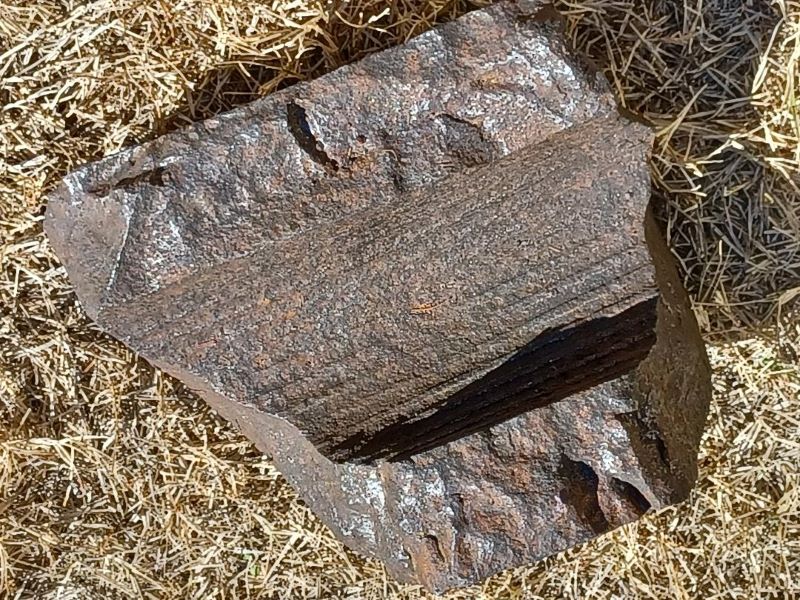
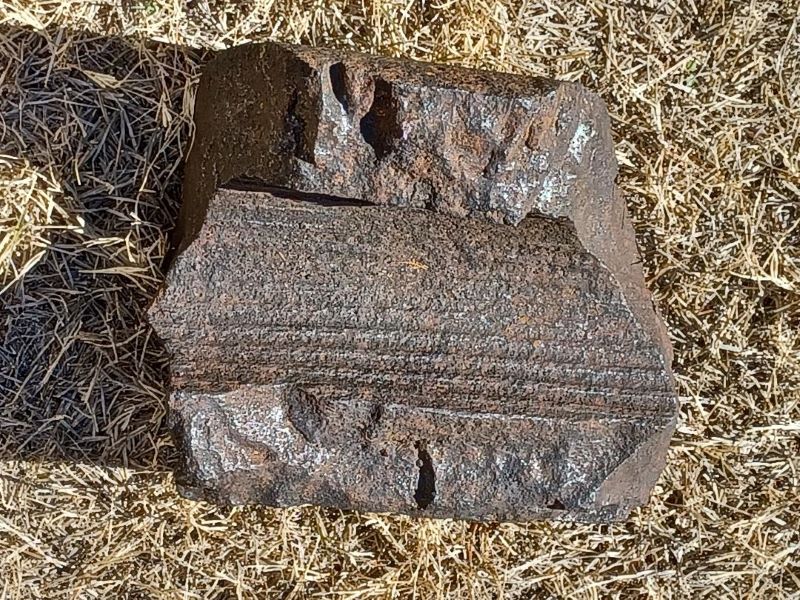
GIGANTIC AND IMPRESSIVE ! Ground Dug German "PANTHER" ( Panzerkampfwagen 'V' Panther ) TANK TRACK LINK ( Recovered KURSK Battlefield )

Here is an opportunity to be "the only one on the block" to display an actual King Panther Tank Track Link recovered from the Kursk Battlefield site. In March, the plans crystallized. Walter Model's 9th Army would attack southwards from Orel while Hermann Hoth's 4th Panzer Army and Army Detachment "Kempf" under the overall command of Manstein would attack northwards from Kharkov. They planned to meet near Kursk, but if the offensive went well, they would have permission to continue forward on their own initiative, with a general plan to re-establish a new line at the Don River, several weeks' march to the east. Contrary to his recent behavior, Hitler gave the OKH considerable control over the planning of the operation. Over the next few weeks, they continued to increase the scope of the forces attached to the front, stripping the entire German line of practically anything remotely useful for deployment in the upcoming operation. They first set the attack for 4 May, but delayed in order to allow more time for new weapons to arrive from Germany, especially the new Tiger and Panther tanks. Hitler postponed the offensive several more times. On 5 May, the launch date became 12 June. But due to the potential threat of an Allied landing in Italy, and delays in armour deliveries Hitler set the launch date to 20 June. On 17 June, he further postponed it until 3 July, and then later to 5 July. The basic concept behind the German offensive was the traditional (and, for the Germans, hitherto usually successful) double-envelopment, or Kesselschlacht (cauldron battle). The German Army had long favored such a Cannae-style method, and the tools of Blitzkrieg made these types of tactics even more effective. Blitzkrieg depended on mass, shock, and speed to surprise an enemy and defeat him through disruption of command and supply rather than by destroying all his forces in a major pitched battle.

$ 850


RARE BATTLEFIELD RELIC Condition Portion of a Battle or Element Damaged WWII GERMAN 3rd SS TOTENKOPF Division HELMET - Recovered DEMJANSK !
 
Here is a nice large portion of a helmet shell that has the highly collectible SS runes clearly visible. The helmet was recovered in an area that no doubt was a position of the Totenkopf SS. On February 8th 1941, the Russians encircled the 2nd Army Corp in the small town of Demajansk, located in the northern section of the Russian front about 100 miles north-east of Cholm. Trapped in the pocket were the 12th, 30th, 32nd, 223rd and 290th Heer Infantry Divisions, as well as the 3rd SS “Totenkopf” Division. There were also RAD, Police, Todt organization, and other auxiliary units who were trapped and assisted in the battle. Their commander was General der Infanterie Graf Brockdordd-Ahlefeldt. Ordered to resist, the garrison was extensively and appropriately supplied by the Luftwaffe. During their besiegement the group offered the Russians stiff and determined resistance, tying up three Soviet Armies (composed of 18 Infantry Divisions and three brigades) for the length of 14 months. The battle group was able to break out of the siege on the 21st of April, but the battle had taken a toll. Out of the approximately 100,000 men trapped there were 3,335 never returned, and over 10,000 were wounded. However, their heroic struggle had denied the Soviet High Command of numerous units at a critical moment, units that would have otherwise been used elsewhere in the Eastern front. Even though they were no longer trapped, fighting in the area continued until October of 1942.

$ 370


RARE to find these days in ground dug condition a German NAZI SS DD Helmet with severe BATTLE DAMAGE retaining metal liner but CROWN PORTION of Helmet BLOWN away ! RUNES are very clear both decals intact. Fieldgrau paint still showing through ! ( Recovered DEMJANSK )
Here is a fine relic a portion of a DD SS Helmet severly battle damaged and somehow missing the whole crown portion down to the metal liner strip. The relic displays incredible and is a reminder of the fierce fighting around the trapped German units of Demjansk. German units were surrounded in Demjansk. Basically an entire German Army Corps (II. Army) consisting of the Totenkopf SS Motorized division, 30th, 32nd, 12th, 290th and 123rd   Infantry Divisions. The Totenkopf division suffered 80% casualties in what they called the Demjansk Cauldron. They were surrounded in the winter of 1941 and relieved in the Spring of 1942. They built a solid ring of bunkers around Demjansk and they were supplied by air for the most part there was an airfield in Demjansk. The Totenkopf Division was used as a fire brigade inside the pocket that is why they suffered so many casualties  and that is why so many SS relics are recoverd there.

$695


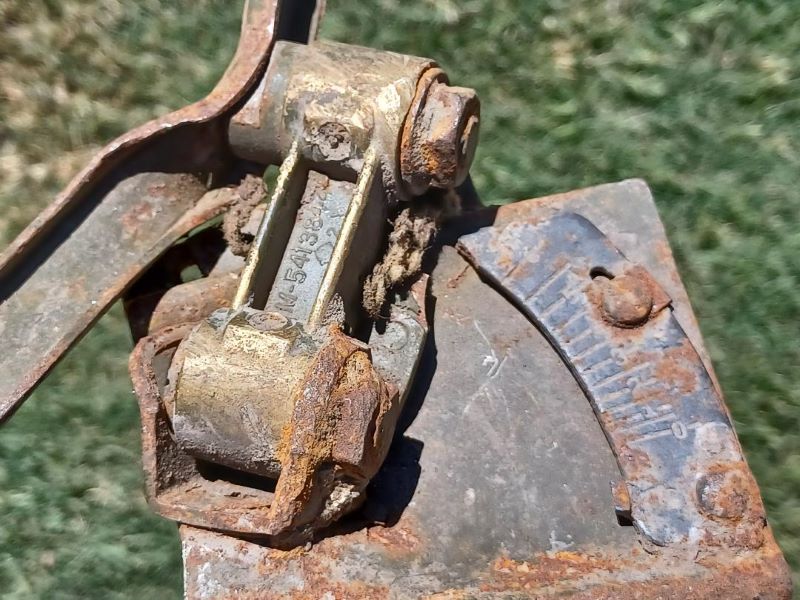
RARE WWII Large Ground Dug Relic GERMAN " SPIDER SIGHT " for a MG 34/42 Machine gun Eastern Front ! ( Recovered STALINGRAD )

The Battle for Stalingrad was fought during the winter of 1942 to 1943. In September 1942, the German commander of the Sixth Army, General Paulus, assisted by the Fourth Panzer Army, advanced on the city of Stalingrad. His primary task was to secure the oil fields in the Caucasus and to do this, Paulus was ordered by Hitler to take Stalingrad. The Germans final target was to have been Baku.Stalingrad was also an important target as it was Russia’s centre of communications in the south as well as being a centre for manufacturing.In early September 1942, the German Army advanced to the city. The Russians, already devastated by the power of Blitzkrieg during Operation Barbarossa, had to make a stand especially as the city was named after the Russian leader, Joseph Stalin. For simple reasons of morale, the Russians could not let this city fall. Likewise, the Russians could not let the Germans get hold of the oil fields in the Caucasus. Stalin’s order was "Not a step backwards.

$ 90


RARE WWI SOUVENIR US 35th ( SANTA FE ) Division 137th Regiment Co. C DOUGHBOY HELMET - Painted with BATTLE HONORS AND DATES ! Plus his DOG TAGS attached ..

Here is an awesome soldier souvenir painted WWI Doughboy helmet that has his battle honors and dates displayed. Also attached are his dogtags. A fine collectible example of a souvenir paint helmet ! The 35th Division was originally created out of Kansas and Misso National Guard units during World War One. In August of 1917, 10,000 Kansans and 14,000 Missourians were mated to form the Santa Fe Division since the trail had connected them together in the past. During the subsequent organization of October 1917, the Kansas Guard units were organized as the 137th Infantry Regiment of the 69th Brigade. Due to inadequate training the division had a spotty record in the Great War taking an inordinate amount of casualties for the relatively short amount of time spent in the trenches. However, during the Meuse-Argonne offensive, under the command of the Maj. Gen. Hunter Liggett's 1st Corps, the Santa Fe Division ultimately prevailed against 5 understrength divisions of the German Imperial Army which were heavily supported by artillery and had much more experience than the green Kansans and Missourians thrown against them. It consisted of the 69th Infantry Brigade (137th and 138th Infantry Regiments) and the 70th Infantry Brigade (139th and 140th Infantry Regiments). It went overseas in May 1918. Upon arrival in France, the 35th Division was garrisoned near the front in Alsace. It received limited training from the French Army. The Division saw combat in the Meuse-Argonne offensive where it collapsed after five days of fighting.Upon cessation of hostilities, the division reverted to state duty and the soldiers resumed their peacetime existence. A fine research helmet ..

$390


HELMETS
Romans 8:28 - " This one thing I know: All things work together for good, to them who Love God. To them who are called according to his eternal purpose."


RARE to find in any condition Ground Dug RELIC WWII GERMAN "HUNGARIAN" DD HELMET with a VERY RARE DECAL Visible ! ( Recovered STALINGRAD )
Here is a rare example of a M35 DD German Helmet with a Hungarian Decal and a Tri-color that was ground dug in a bunker near Stalingrad. Relic but solid condition but very rare. The Battle of Stalingrad was a major battle of World War II in which Nazi Germany and its allies fought the Soviet Union for control of the city of Volgograd in southwestern Russia. The battle took place between 17 July 1942 and 2 February 1943, and is often cited as one of the turning points of the war. The battle was perhaps the bloodiest in the history of warfare, with the upper estimates of combined casualties coming to nearly two million. The battle involved more participants than any other, and was marked by brutality and disregard for military and civilian casualties by both sides. The German offensive to take Stalingrad, the battle inside the city and the Soviet counter-offensive—which eventually trapped and destroyed the German 6th Army and other Axis forces around the city—was the first substantial German land defeat of World War II. The battle was arguably the most important turning point in not only the Eastern Front, but the War itself, as it marked the beginning of the Soviet attack that contributed to the surrender of Nazi Germany around two-and-a-half years later.

$ 225


RARE BATTLEFIELD RELIC Condition Portion of a Battle or Element Damaged WWII GERMAN 3rd SS TOTENKOPF Division HELMET - Recovered DEMJANSK !
 
Here is a nice large portion of a helmet shell that has the highly collectible SS runes clearly visible. The helmet was recovered in an area that no doubt was a position of the Totenkopf SS. On February 8th 1941, the Russians encircled the 2nd Army Corp in the small town of Demajansk, located in the northern section of the Russian front about 100 miles north-east of Cholm. Trapped in the pocket were the 12th, 30th, 32nd, 223rd and 290th Heer Infantry Divisions, as well as the 3rd SS “Totenkopf” Division. There were also RAD, Police, Todt organization, and other auxiliary units who were trapped and assisted in the battle. Their commander was General der Infanterie Graf Brockdordd-Ahlefeldt. Ordered to resist, the garrison was extensively and appropriately supplied by the Luftwaffe. During their besiegement the group offered the Russians stiff and determined resistance, tying up three Soviet Armies (composed of 18 Infantry Divisions and three brigades) for the length of 14 months. The battle group was able to break out of the siege on the 21st of April, but the battle had taken a toll. Out of the approximately 100,000 men trapped there were 3,335 never returned, and over 10,000 were wounded. However, their heroic struggle had denied the Soviet High Command of numerous units at a critical moment, units that would have otherwise been used elsewhere in the Eastern front. Even though they were no longer trapped, fighting in the area continued until October of 1942.

$ 370


RARE to find these days in ground dug condition a German NAZI SS DD Helmet with severe BATTLE DAMAGE retaining metal liner but CROWN PORTION of Helmet BLOWN away ! RUNES are very clear both decals intact. Fieldgrau paint still showing through ! ( Recovered DEMJANSK )
Here is a fine relic a portion of a DD SS Helmet severly battle damaged and somehow missing the whole crown portion down to the metal liner strip. The relic displays incredible and is a reminder of the fierce fighting around the trapped German units of Demjansk. German units were surrounded in Demjansk. Basically an entire German Army Corps (II. Army) consisting of the Totenkopf SS Motorized division, 30th, 32nd, 12th, 290th and 123rd   Infantry Divisions. The Totenkopf division suffered 80% casualties in what they called the Demjansk Cauldron. They were surrounded in the winter of 1941 and relieved in the Spring of 1942. They built a solid ring of bunkers around Demjansk and they were supplied by air for the most part there was an airfield in Demjansk. The Totenkopf Division was used as a fire brigade inside the pocket that is why they suffered so many casualties  and that is why so many SS relics are recoverd there.

$695


RARE WWI SOUVENIR US 35th ( SANTA FE ) Division 137th Regiment Co. C DOUGHBOY HELMET - Painted with BATTLE HONORS AND DATES ! Plus his DOG TAGS attached ..

Here is an awesome soldier souvenir painted WWI Doughboy helmet that has his battle honors and dates displayed. Also attached are his dogtags. A fine collectible example of a souvenir paint helmet ! The 35th Division was originally created out of Kansas and Misso National Guard units during World War One. In August of 1917, 10,000 Kansans and 14,000 Missourians were mated to form the Santa Fe Division since the trail had connected them together in the past. During the subsequent organization of October 1917, the Kansas Guard units were organized as the 137th Infantry Regiment of the 69th Brigade. Due to inadequate training the division had a spotty record in the Great War taking an inordinate amount of casualties for the relatively short amount of time spent in the trenches. However, during the Meuse-Argonne offensive, under the command of the Maj. Gen. Hunter Liggett's 1st Corps, the Santa Fe Division ultimately prevailed against 5 understrength divisions of the German Imperial Army which were heavily supported by artillery and had much more experience than the green Kansans and Missourians thrown against them. It consisted of the 69th Infantry Brigade (137th and 138th Infantry Regiments) and the 70th Infantry Brigade (139th and 140th Infantry Regiments). It went overseas in May 1918. Upon arrival in France, the 35th Division was garrisoned near the front in Alsace. It received limited training from the French Army. The Division saw combat in the Meuse-Argonne offensive where it collapsed after five days of fighting.Upon cessation of hostilities, the division reverted to state duty and the soldiers resumed their peacetime existence. A fine research helmet ..

$ 390


RARE 6th Fallschirmjäger’s ( GERMAN PARATROOPER ) Ground Dug Relic BATTLE DAMAGE Bullet Struck HELMETwith partial liner remanining - Recovered NORMANDY Hedgerow ! 
Here is a nice and desireable hard to find original ground dug relic condition German Para helmet with bullet hole strikes and still retains the liner in relic ground dug condition. This rare piece was recovered in a hedgerow near positions occupied by the 6th Fallschirmjäger. Although they never parachuted into combat, all of the 6th’s paratroopers had earned their jump wings, and all had jumped several times during training. While the commissioned and noncommissioned officers were mostly battle-wise and experienced, the rank and file were generally quite young. Many of them first saw combat against Allied soldiers in Normandy–and for many it was also their last. Between June 6 and 10, 1944, the 6th Fallschirmjäger’s 1st Battalion was wiped out in heavy action. elments of the German regiment’s 2nd and 3rd battalions were entrenched in defensive positions opposite the 90th Infantry Division on the Cotentin Peninsula. The 90th had landed at Utah Beach right behind the initial assault elements. The division fought hard and lost heavily during the initial battles for Normandy’s hedgerow country, as did many other American units. On July 18, the 90th began preparations for an assault on the village of St. Germain-sur-Seves as a prelude to Operation Cobra, the planned attack on St. Lô that it was hoped would allow Allied ground forces to break out of hedgerow country. The capture of St. Germain-sur-Seves would put the division in a position to push forward to the key crossroads town of Periers, then advance to the highway linking Periers with the important city of Coutances, located near St. Malô, at the base of the peninsula. The 6th Fallschirmjäger’s troops had halted an attack of the U.S. 83rd Infantry Division in the same sector, inflicting very heavy casualties on its 331st Infantry Regiment. The division lost nearly 1,400 men in its ill-fated attack south of Carentan, toward Periers. After that costly assault, von der Heydte had reportedly returned captured American first aid men with a note to Maj. Gen. Robert C. Macon, the division commander, saying that he thought Macon probably needed them. The German commander had also requested that, if the situation were ever reversed, he hoped General Macon would ‘return the favor.’ The result had been a three-hour armistice in which 16 seriously wounded Americans were evacuated to the aid post in addition to those recovered from the German aid station. At the same time, wounded Fallschirmjäger troops that had been taken to the American aid stations were turned over to German medics.

$ 750


HISTORICALLY IMPORTANT WW2 US GI Helmet Battle DamagedRELIC Shell - Recovered CARENTAN !

Here is a nice shrapnel damaged US GI swivel bale helmet that was recovered near the area of Montmartin-en Graignes. The 327th began its way toward Carentan on June 9, 1944. At 0145 hours, C Company, 1st Bn crossed the Douve River. By 0700 hours they occupied the village of Brevands and began their two-day fight up the south bank toward Carentan. At 2200 hours on June 10th the 327th attacked the hedge grove area just short of the Canal de Vire-et-Taute, and the 2nd Bn took up a position near a footbridge that connected the canal and the Douve River. On June 11th the 327th crossed the bridge at 1000 hours and advanced through the wooded area, where they became pinned under heavy fire. At dawn on June 12th the 3rd Bn of the 327th renewed the attack at 0500 hours from the Basin-a- Flot to the northeast. They received sniper fire and fire from the west-end of town, which turned out to be covering fire. By 0700 hours they were in the town. Later in the day, while trying to take the high ground just south of Montmartin-en Graignes, a hamlet five miles southeast of Carentan, the 327th less 3rd Bn encountered German resistance. The resistance was heavy and consisted of small arms, mortars, and 88’s. They hooked up with the 29th Infantry Division and set up defensive positions on the high ground just as dark settled in. On June 13th, the 327th was moved back to the rail line, where they held until June 14th. By June 15th they were on their way to Carentan. On June 16th they were put into line between the 501st and 502nd. On June 17th the 327th saw limited objective attacks to help push the outpost line forward. This was the last real fighting they had in the Normandy Campaign.

$ 140


ABSOLUTELY INCREDIBLE Bullet Riddled WWI GERMAN RELIC HELMET Ground Dug BATTLE Damaged ARGONNE MEUSE !

This is a neat ground dug battle relic WWI German Relic helmet that was recovered by a digger friend in the Argonne Meuse. The helmet is severely battle damaged and riddled with MG rounds during the brutal fighting in the Argonne. The crown has a large rust hole and the back has some bullet hole exit damage. A fine relic helmet for display.

$ 195


A FINE RELIC FOR WWII HELMET COLLECTORS!  Here is a chance to own a GROUND DUG BATTLE WORN - HISTORIC 6th German Fallschirmjäger (PARATROOPER) Regiment Helmet - Recovered in a farm field SW CARENTEN!

Here is a nice German Para helmet ground dug in relic condition that was recovered by a digger in a farm field that was near where the "Green Devils" regiment were positioned. The helmet has a rust holes to the crown but displays wonderfully. The bayonet was recovered in the same area and will be added to to the purchase. I noticed a relic grenade in background that is not included. oops. The "Green Devils" engaged the Allies the night before the Normandy landing occurred capturing several hundred men, including officers. The unit was formed in early 1943 FJR 6, attached to 2nd FJ Division, first saw action in Italy. When the Division left Italy for Russia, the regiment remained behind to be either disbanded or divided between other regiments. The regiment was then reformed under the command of von der Heydte in Koln-Wahn in January 1944. In April of that year it was moved to Normandy (Carentan area), where the regiment was briefly attached to 2nd FJ Division until 6.6.44. Operated independently for the remainder of the war, seeing action up until it's surrender in early 1945.During the Battle of Carentan, The Green Devils were entrenched along a main road leading into the city and held the American advanced. After the 6th was forced to withdraw towards Carentan, a single causeway surrounded by marshes was the only route into the city. On June 11th, the American 101st airborne attached the FJR 6th positions. After heavy artillery strikes, the 6th moved into Carentan. The 101st finally had the outskirts of the city after a three day battle. On the morning of 12 June 1944, the commander of the 6th withdrew from Carentan finally giving the city to the Allies after four days of fierce fighting. Despite several counter attacks with 17SS 'Gotz Von Berlichingen' panzers, the 6th failed to retake Carentan. After nearly a month of engagement, von der Heydte led his regiment back to the German lines by using secondary roads, whilst the American tanks past them on the main roads. On August 16th, the remnants of Regiment 6 approx 400, were finally withdrawn from Normandy for rest and rebuilding. Over 54,449 German paratroops were killed in action and over 8,000 are still listed as missing in action.

$ 370


WOW !! Here is a rarity in the German Helmet Collecting Field - A RELIC SA NSKK ( German Motor Corps ) Raw Edge Model 42 HELMET - Recovered in the ARDENNES ( BATTLE OF BULGE AREA ! )

This rare helmet has the insignia of the NSKK Branch of Service in beautiful condition. An Eagle on a dark field. The helmet was recovered by my digger friend in the UK who detects Normandy and the Ardennes. The National Socialist Motor Corps (German: Nationalsozialistisches Kraftfahrkorps, NSKK), also known as the National Socialist Drivers Corps, was a paramilitary organization of the Nazi Party that existed from 1931 to 1945. The group was a successor organization to the older National Socialist Automobile Corps, which had existed since the beginning of 1930. It was headed by Adolf Hühnlein from 1934. After Hühnlein's death in 1942 Erwin Krauss took over his position as Korpsführer (Corpleader). The National Socialist Motor Corps was the smallest of the Nazi Party organizations and had originally been formed as a motorized corps of the Sturmabteilung (SA). In 1934, the group had a membership of approximately ten thousand and was separated from the SA to become an independent organization. This action may have saved the NSKK from extinction, as shortly thereafter the SA suffered a major purge during the Night of the Long Knives.

$ 420


UNIFORM ITEMS / INSIGNIA
Romans 8:28 - " This one thing I know: All things work together for good, to them who Love God. To them who are called according to his eternal purpose."


FANTASTIC FIND ! Original WWII Nice RELIC Condition NAZI German Police "Feldgendarmerie" "CHAINED DOGS" GORGET Insignia ( Recovered BERLIN Estate )

The Feldgendarmerie (pejoratively Kettenhunde, or "chain-dogs", for the gorget they wore) had an especially significant role towards the end of World War II as they became responsible for the fate of tens of thousands of deserters (known as Fahnenflüchtiger, literally "runners from the flag"). According to Hitler's way of thinking, "the soldier may die, but the deserter must die" and many were summarily executed.Towards the end of the war (as public support for anything but non-defensive actions by the Wehrmacht was rapidly evaporating), they also became known as the Heldenklau (or "hero-snatchers") because they were assigned the unpopular task of searching streams of returning refugees for possible deserters and sending rear-echelon personnel to the front. Additionally, some Feldgendarmerie units were given occupation duties in the territories controlled by the Wehrmacht. Their missions ranged from straightforward traffic control and civilian policing to suppression and execution of partisans and enemy stragglers. As combat units moved out of a region, control was transferred to the SS and Police Leaders occupation authority under the Nazi Party and Heinrich Himmler, and the Feldgendarmerie's role would formally end.

$575


RARE OFFERING NAZI 5TH PANZER SS German BUCKLES Ground Dug neat lot of AWESOME DISPLAY RELIC BUCKLES from an area of intense fighting in 1944.

After the Russian reconnaissance units reached Warsaw in late July, on August 1, 1944 the Warsaw Uprising started. Starting from an area south of Minsk Mazowiecki, Lieutenant-General N. D. Vedeneev's 3rd Tank Corps (part of the Soviet Second Tank Army) thrust northwest through Okuniew and Wolomin to Radzymin, reaching an area only three miles (five kilometers) from the strategic bridge over the Narew River at Zegrze.In response to Vedeneev's thrust, the Germans started a tactical counter-attack near Radzymin on July 31. The offensive, carried out by 4 understrength Panzer divisions, was to secure the eastern approaches to Warsaw and Vistula crossings, and aimed to destroy the three tank corps of the Second Tank Army in detail. Under the leadership of German Field Marshal Model, the 4th, 19th, Hermann Göring, and 5th SS Panzer Divisions were concentrated from different areas with their arrival in the area of Wolomin occurr ing between July 31 and August 1, 1944. Although the 3rd Tank Corps gamely defended the initial assaults of the Hermann Göring and 19th Panzer Divisions, the arrival of the 4th Panzer and 5th SS Panzer Divisions spelled doom for the isolated and outnumbered unit. Already on August 1, the leading elements of the 19th and 5th SS Panzer Divisions, closing from the west and east respectively, met at Okuniew, cutting the 3rd Tank Corps off from the other units of the Second Tank Army. Pressed into the area of Wolomin, the 3rd Tank Corps was pocketed and destroyed on August 3, 1944. Attempts to reach the doomed tank corps by the 8th Guards Tank Corps and the 16th Tank Corps failed, with the 8th Guards Tank Corps taking serious losses in the attempt. Although Model had planned to attack the 8th Guards Tank Corps next, the withdrawal of the 19th and Hermann Göring Panzer Divisions to shore up the German defenses around the Magnuszew bridgehead forced the remaining German forces around Okuniew to go on the defensive.For unknown reasons, on August 2, 1944 all armies that were to assault Warsaw had their orders changed. The 28th, 47th and 65th Armies were ordered to turn northwards and seize the undefended town of Wyszków and the Liwiec river line. The 2nd Tank Army was left in place and had to fight the Germans alone, without support of the infantry. Also, 69th Army was ordered to stop while the 8th Guards Army under Vasily Chuikov was ordered to halt the assault and await a German attack from the direction of Garwolin. Further combat lasted until August 10, when the Germans finally withdrew. Soviet losses were heavy, but not heavy enough to affect the overall course of their thrust to the vicinity of Warsaw. The 3rd Tank Corps was destroyed, the 8th Guards Tank Corps took heavy losses, and the 16th Tank Corps took significant losses as well. Overall, the Second Tank Army's losses were significant enough that it was withdrawn from the front lines by August 5, 1944.

$ 260 for all 3 !


NICE LOT of WW2 RELIC German FALLSCHIRMJÄGER RGT. 3,  1st BATTALION, 3rd KOMPANIE Recovered SICILY

Here is a rare set of WW2 German Fallschirmjager ( Paratrooper ) Relic lot of parachute buckles and clamps. Recovered by a digger in Sicily. Axis forces on Sicily comprised of 10 Italian Divisions commanded by General Guzzoni and General Hans Hube's 14th Panzer Korps, consisting of the Herman Göring Panzer Division, and the15th Panzer Grenadier Division. The German plan was to send the 14th Panzer Korps to counter the Allied advance and hopefully stall it long enough until reinforcements from the mainland arrived.On July 11th the 1st Parachute Division was put on alert and made for immediate action in Italy. After a few hours FJR.3 departed Avignon, by aircraft. Its destination being the Practica Di Mare aerodrome at Rome. Here they received orders to proceed to Sicily. On arrival the 4th Regiment and the MG Battalion boarded Gliders and JU-52's and were sent on to Sicily, where they were dropped around Syracuse and Catania. The next day the 3rd regiment was flown via Naples to Sicily and dropped south of Catania airfield.The Fallschirmjägers immediately went to work preparing defensive positions, to meet the expected Allied advance. The MG Battalion was sent to defend the important Primasole iron road bridge over the River Simeto, which was the only road access through the mountainous areas in the east of the Island.

$ 99


INCREDIBLE RELIC FIND ! An excavated COLLAR portion of a German OFFICER OF REICHSBAHN INSIGNIA with section of cloth from the BATTLE OF BULGE Area !

An incredible excavated German Officers collar tab from the area of the Battle of the Bulge. The German rail-line was a target of attack throughout the battle.The Reichsbahn moved troop strength by rail equivalent to sixty-six divisions before the attack on the Bulge. Forces equivalent to seven divisions were moved by road Twenty-seven of the division-size rail movements were affected in some wayby air attack, in most cases before they actually entered the build-up zone. Delays normally were no longer than one or two days, although from 10 December on some divisions were forced to march an extra fifty to sixty miles on foot. A number of units lost essential organic equipment during these attacks, the deprivation inevitably inhibiting their later performance. On the first day a noon attack over the Koblenz rail yards left more than a hundred bomb craters. Nonetheless, the yards were in fulloperation twenty-four hours later. The main double-track line supporting theSixth Panzer Army assembly (Cologne-Euskirchen) was hit so severely as to stop all rail traffic on 11 December; but Detailed troop movements have been worked out in Luttichau, Rail Communications. Air attack against the choke points that developed along the main and subsidiary German supply roads seriously impeded both tactical and logistic movement, but much of the over-all delay should be charged to poor German traffic control and road maintenance. Here again the record of achievement by the air is uneven. Movement on the Koblenz-Trier autobahn, a major supply artery for the two southern armies, never was seriously restricted by Allied air attack. As might be expected, the overall effectiveness of air attacks along the roads turned on the configuration of the ground. The 9th Bombardment Division put 136 tons of high explosive on St. Vith, which stood in the open with a wealth of bypass routes around it on relatively level ground, and stopped the German traffic not at all. Even when the RAF dropped 1,140 tons in a carpet bombing attack at St. Vit h, the road center was out of commission for only a day. Yet a mere 150 tons put on La Roche over a period of two days stopped all major movement in this sector of the Ardennes road net. La Roche, be it noted, lay at the bottom of a gorge with access only through deep defiles. The damaging effect of the Allied air attacks against rail lines, bridges, and marshaling yards at and west of the Rhine is quite clear in the history of the Ardennes campaign, but the time sequence between specific rail failures and the resulting impact on German front-line operations is difficult to trace. From 2 December to 2 January the Eighth Air Force, 9th Bombardment Division, and Royal Air Force Bomber Command made daily attacks against selected railway bridges and marshaling yards using an average of 1,800 tons of bombs per day. Yet the day before this bombing campaign began, feeder rail lines in the Eifel had been so crippled by air attack that through movement from the Rhine to the army railheads was no longer possible and supplies were being moved by truck and wagon between the "traffic islands" where rail movement remained in effect. German reports indicate that this transshipment from one mode of transport to another-and back again-cost at least forty-eight hours' delay. By the 26th railway bridges were out on the vital Ahr and Moselle lines, supporting the two southern armies, and the Seventh Army railhead had been pushed back to Wengerohr, near Wittlich. On the 28th the rail center at Koblenz, supporting the German left wing, was put out of operation. And by the close of the year German repair organizations could do no more than attempt to keep some of the railroad island traffic moving.

$ 60


RARE to find excavated near NORMANDY ( Falaise pocket ) German Officer Collar Tabs !

This is a nice set ( single ) stamped metal and mfg.marked German Officer rank tabs insignia worn on the collar. These were dug outside of Normandy near the Falaise pocket with some other relic insignia parts. Brutal fighting in the area. During the Second World War, the Allies coordinated a massive build-up of troops and supplies to support a large-scale invasion of Normandy in the D-Day landings under the code name Operation Overlord. Germans were dug into fortified emplacements above the beaches. Caen, Cherbourg, Carentan, Falaise and other Norman towns endured many casualties in the Battle of Normandy, which continued until the closing of the so-called Falaise gap between Chambois and Montormel, then liberation of Le Havre.This led to the restoration of the French Republic, and a significant turning point in the war. The remainder of Normandy was liberated only on 9 May 1945 at the end of the war, when the Occupation of the Channel Islands ended. A nice desireable dug example that would display incredible with your other WWII relics.

$ 95


INCREDIBLE DUG UP - Set of Relic D.A.P. Nazi Swastika German Workers Badges exacavated in AUSTRIA !

(Nationalsozialistische D.A.P. -National Socialist German Workers Party) These badges were found one summer in the early 1960's on the mudflats of an Austrian Lake not too distant from Hitlers castle,where they had apparently been dumped at the end of WW II. Made of Kriegsmetal" (war metal - an alloy) style rather than the early enamel badges interesting relics of the Nazi regime. On April 25, 1945, the British bombed the Nazi homes on the Obersalzberg, including Hitler's home called the Berghof. The bombed-out ruins of Hitler's former residence were completely razed to the ground by the Bavarian government in 1952 at the request of the U.S. Army.The Berchtesgaden area was occupied by American troops shortly before the war ended on May 8, 1945. The Obersalzberg was turned into a recreational area for the American troops that occupied Germany after the war. After 50 years of American occupation, the Obersalzberg was given back to Germany in 1995.To this day, many Americans are confused by the names Berghof and Eagle's Nest, which are two separate places. The Berghof was located on a plateau called the Obersalzberg which is on the route to the top of the Kehlstein, the mountain where Hitler's tea house, called the Eagle's Nest, was built in 1938. To add to the confusion, Hitler had another tea house, called Mooslahnerkopf, which was a short walk from the Berghof. The German name for the Eagle's Nest is Kehlsteinhaus, which means house on Kehlstein mountain. On the other side of the Eagle's Nest, there is a view of Salzburg, Austria.

$ 50 Each $90 FOR Pair !


RARE Dug Eastern Front STALINGRAD RELIC Buckle - FrankReich Russland England Feldzug USW 1914

Here is a rarity. A WWI Relic Buckle in fantastic condition with maker markings on the back. This buckle has a nice pleasing patina and displays well. The Battle of Stalingrad is considered by many historians to have been the turning point in World War Two in Europe. The battle at Stalingrad bled the German army dry in Russia and after this defeat, the Germany Army was in full retreat. One of the ironies of the war, is that the German Sixth Army need not have got entangled in Stanlingrad. Army Groups A and B were well on their way to the Caucasus in south-west Russia, when Hitler ordered an attack on Stalingrad. From a strategic point of view it would have been unwise to have left a major city unconquered in your rear as you advanced. However, some historians believe that Hitler ordered the taking of Stalingrad simply because of the name of the city and Hitler's hatred of Joseph Stalin. For the same reason Stalin ordered that the city had to be saved.The Battle for Stalingrad was fought during the winter of 1942 to 1943. In September 1942, the German commander of the Sixth Army, General Paulus, assisted by the Fourth Panzer Army, advanced on the city of Stalingrad. His primary task was to secure the oil fields in the Caucasus and to do this, Paulus was ordered by Hitler to take Stalingrad. The Germans final target was to have been Baku. Stalingrad was also an important target as it was Russia’s centre of communications in the south as well as being a centre for manufacturin g. A fine relic that must have been worn by a WWI veteran while serving again on the Eastern Front.

$ 140


RARE - "Ground Dug" in AUSTRIA WWII German Motorized DRIVER AWARD BADGE !

Here is a nice relic badge that was ground dug in Austria and is the German Award for merit in driving and vehicle skills. The award was created by a Waffen SS enlistedman and established in 1940. This is a late war zinc example in relic condition. These are hard to find as all awards in nice dug condition.

$ 60


NICE LOT of WWII RELIC GERMAN CLOTH Officer COLLAR and SHOULDER INSIGNIA Cut from Uniforms and brought back as SOUVENIRS !

Here is a nice lot of German Relic condition WWII German Cloth Insignia that were cut from uniforms and brought back as souvenirs. A Luftwaffe Officers Collar Insignia a Whermacht insignia including some tunic uniform buttons with partial cloth attached.

$150 for all


NICE LOT of GROUND DUG RELIC German AWARDS and INSIGNIA - Eastern Front - NARVA Battlefield !

Here is a neat grouping of  WWII German ground dug relic awards and insignia that includes 2 portions of Close Combat badges, a Whermacht Eagle helmet insignia, an Officers hat wreath all dug condition. A fine display grouping at a great price for the lot. In the Spring of 1944 Army Group North was forced back from forward positions around Leningrad and, in Estonia, a new defence line was established along the banks of the River Narva. Despite Russian incursions, 18th Army including Steiner's 111 Panzer Corps held the line (including a bridgehead encompassing Invorogod on the East bank) for six months. Following an orderly withdrawal in July, a second defence line called 'Tannenburg' was set up with the Blue Mountains of Eastern Estonia forming the primary strongpoint. A neat grouping from an awesome battlefield.

$ 99 for all !


WEAPONS / ARTILLERY
Romans 8:28 - " This one thing I know: All things work together for good, to them who Love God. To them who are called according to his eternal purpose."


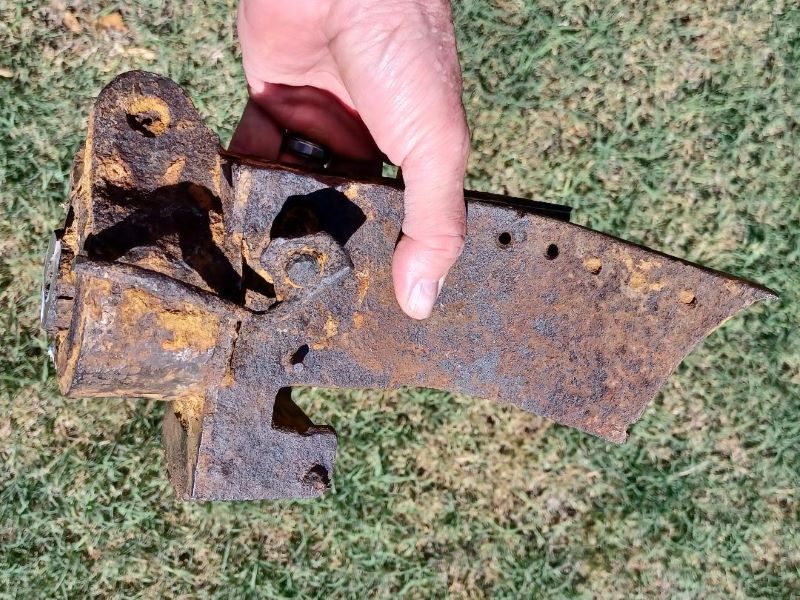
RARE WWII Large Ground Dug Relic GERMAN " SPIDER SIGHT " for a MG 34/42 Machine gun Eastern Front ! ( Recovered STALINGRAD )

The Battle for Stalingrad was fought during the winter of 1942 to 1943. In September 1942, the German commander of the Sixth Army, General Paulus, assisted by the Fourth Panzer Army, advanced on the city of Stalingrad. His primary task was to secure the oil fields in the Caucasus and to do this, Paulus was ordered by Hitler to take Stalingrad. The Germans final target was to have been Baku.Stalingrad was also an important target as it was Russia’s centre of communications in the south as well as being a centre for manufacturing.In early September 1942, the German Army advanced to the city. The Russians, already devastated by the power of Blitzkrieg during Operation Barbarossa, had to make a stand especially as the city was named after the Russian leader, Joseph Stalin. For simple reasons of morale, the Russians could not let this city fall. Likewise, the Russians could not let the Germans get hold of the oil fields in the Caucasus. Stalin’s order was "Not a step backwards.

$ 90


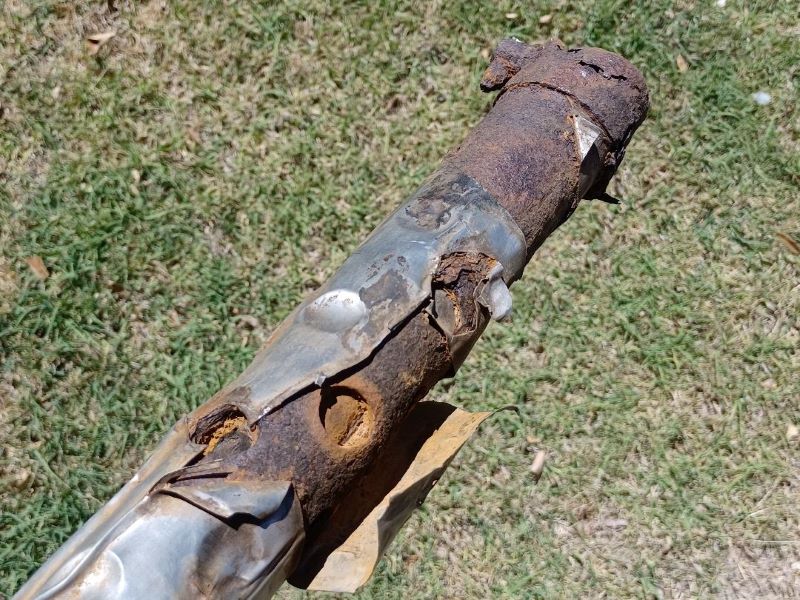
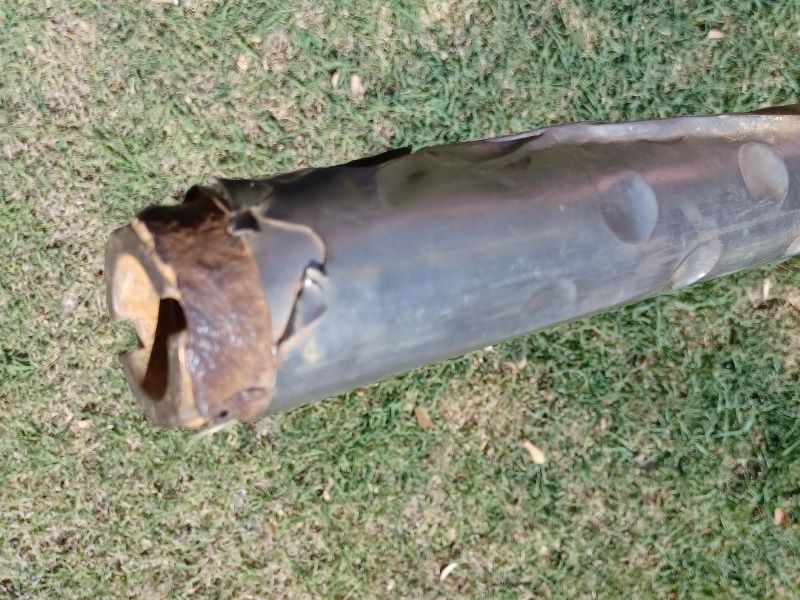
RARE FIND !  Large Size Rocket Battle Damaged GERMAN ARTILLERY SHELL Ground Dug ARDENNES !

Here is a very cool WWII solid relic artillery shell that I believe is German with a crack and fuse hole that was recovered in the Ardennes. A fine display piece !

$ 98


Here is a fine example of a solid war used relic German Flare Pistol that was brought home a souvenit and is in nice shape with crisp markings and the bakelight grips. Priced low !

$ 240


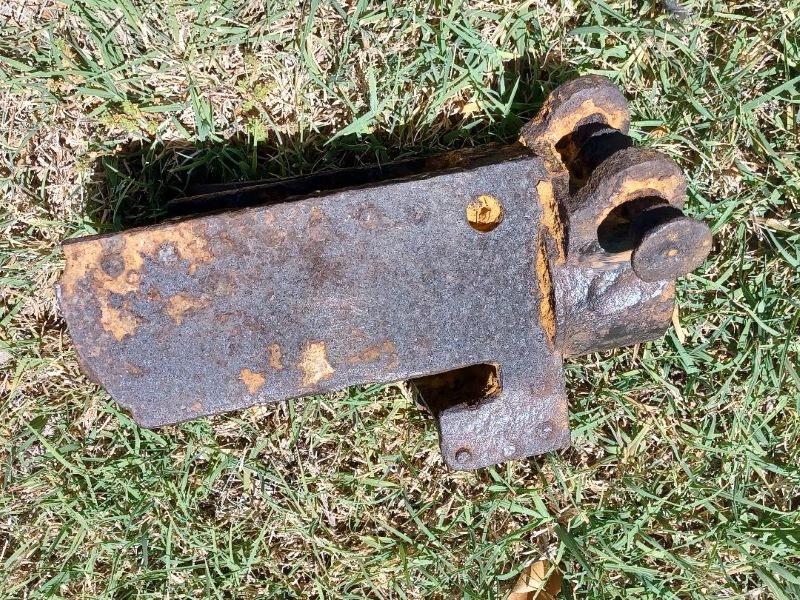
EXTREMELY RARE - WAFFEN SS NAZI German WWII Experimental Sticky Bomb used to Disable TANKS by Exploding a single WHEEL or Track LINK !

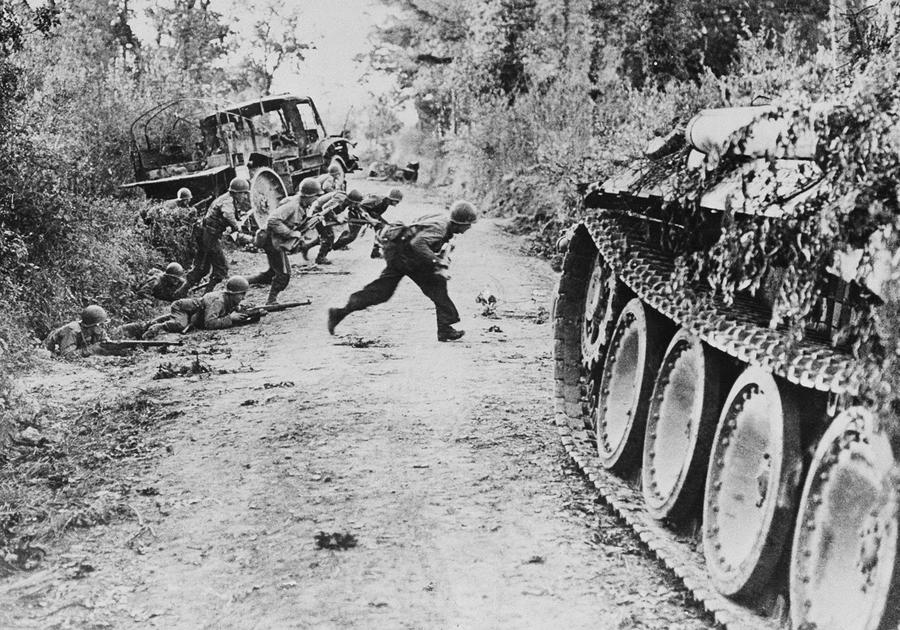
This is an absolutely incredible little example of a Waffen SS Tank Destroyer Sticky Grenade that was recovered in the area of the KURSK Battlefield Eastern Front. SS-HL-Handgranate -Sticky Bomb fuze solely used by the Waffen SS for destroying Tanks The SS-weapon's academy invented the SS-HL-Handgranate It had a length of 19cm, weighed 420g including the shaped charge of 210g and had a diameter of 7.2 cm. It's front consisted of a felt disc which was 6mm thick and drenched with glue. The idea was to run up to the tank and stick the grenade onto the armour, track link, or wheel. This method to attach the AT grenade to the tank proved to be less practical than intended, the weapon proved rather unsuccessful and unpopular, therefore further developments centred around the Hafthohlladung which seemed more promising and replaced the SS-HL-Handgranate in 1943. US GI's attempted makeshift versions using old socks with grease as seen in the movie " Saving Private Ryan " and shown in the bottom picture. Don't let this unique piece of ordnance get away !

$ 190


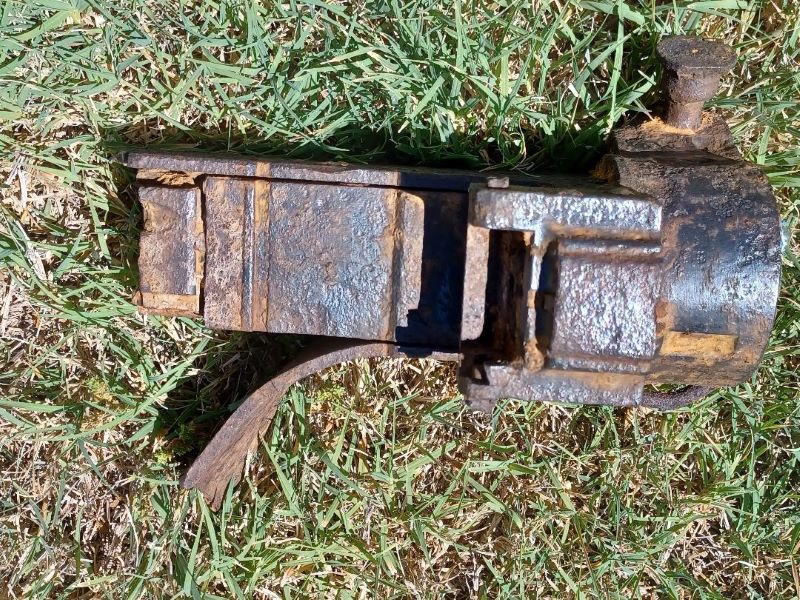
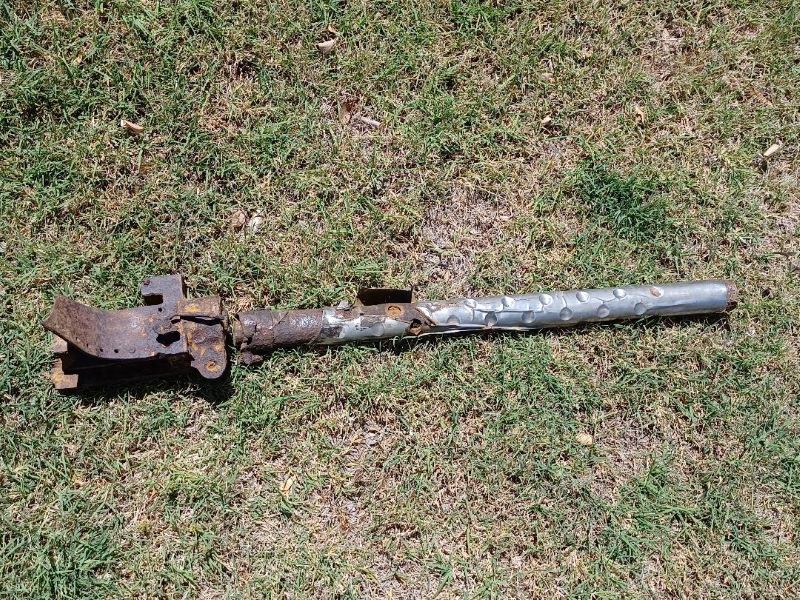
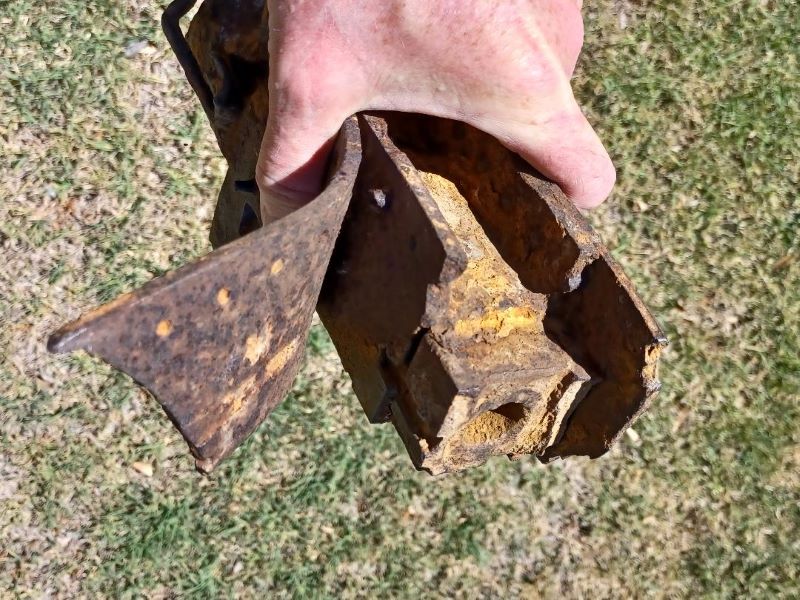
RARE Excavated WWII GERMAN Machine Gun BI-POD MG42 Relic - Recovered at FALAISE - TRUN NORMANDY Campaign !

This is an exciting find. A German Bi-pod stand for a German MG34/42 MACHINE GUN ! Makes a fine display on a shelf in your war room. Painted with diggers provenance.The battle of the Falaise Pocket, fought during the Second World War from 12–21 August 1944, was the decisive engagement of the Battle of Normandy. Taking its name from the area around the town of Falaise within which the German Seventh and Fifth Panzer Armies became encircled by the advancing Western Allies, the battle is also referred to as the Falaise Gap (Later known as "The Valley of Death") after the corridor which the Germans sought to maintain to allow their escape.[nb 5] The battle resulted in the destruction of the bulk of Germany's forces west of the River Seine, and opened the way to Paris and the German border.Following Operation Cobra, the successful American breakout from the Normandy beachhead, rapid advances were made to the south, the south-east, and into Brittany. Despite lacking the resources to cope with both the US penetration and simultaneous B ritish and Canadian offensives around Caen, Field Marshal Günther von Kluge, in overall command of German armed forces on the Western Front, was not permitted by Adolf Hitler to withdraw.

$ 160


RARE ID'd LOT of WWI BATTLEFIELD Recovered RELICS with PAPER ID tags!  MASHER GRENADE CAP & Cartridge!

Here is a nice display lot of relics recovered and labeled by a soldier and brought back as souvenirs. The masher grenade cap appears to have battle damage. A nice lot that rarely turns up with such great provenance.

$195


RARE HUGE WWI Weapon CALTROP Relic recovered ARGONNE MEUSSE !

Here is an impressive relic. This huge CALTROP measuring a massive 14 inches across. Large metal spikes that is hand forged together with rivets. This great weapon was used to puncture tires or stop Cavalry. These are becoming highly prized among collectors as they display so well. A caltrop (also known as caltrap, galtrop, cheval trap, galthrap, galtrap, calthrop, crow's foot. is an antipersonnel weapon made up of two or more sharp nails or spines arranged in such a manner that one of them always points upward from a stable base (for example, a tetrahedron). They may be thought of as the landmines of antiquity, useful to shape the battlefield and force the enemy into certain paths and approaches, or to provide a passive defense as part of a defensive works system. Caltrops serve to slow down the advance of horses, war elephants, and human troops. They were said to be particularly effective against the soft feet of camels. In more modern times, caltrops are used against wheeled vehicles with pneumatic tires.

Large 14 inch -  $ 240

Small 4 inch -    $ 99


NICE BATTLEFIELD WWII Ground Dug GERMAN MAUSER Bayonet Relic FALAISE POCKET Area TRUN !

The battle of the Falaise Pocket, fought during the Second World War from 12–21 August 1944, was the decisive engagement of the Battle of Normandy. Taking its name from the area around the town of Falaise within which the German Seventh and Fifth Panzer Armies became encircled by the advancing Western Allies, the battle is also referred to as the Falaise Gap after the corridor which the Germans sought to maintain to allow their escape. The battle resulted in the destruction of the bulk of Germany's forces west of the River Seine, and opened the way to Paris and the German border.

$ 80


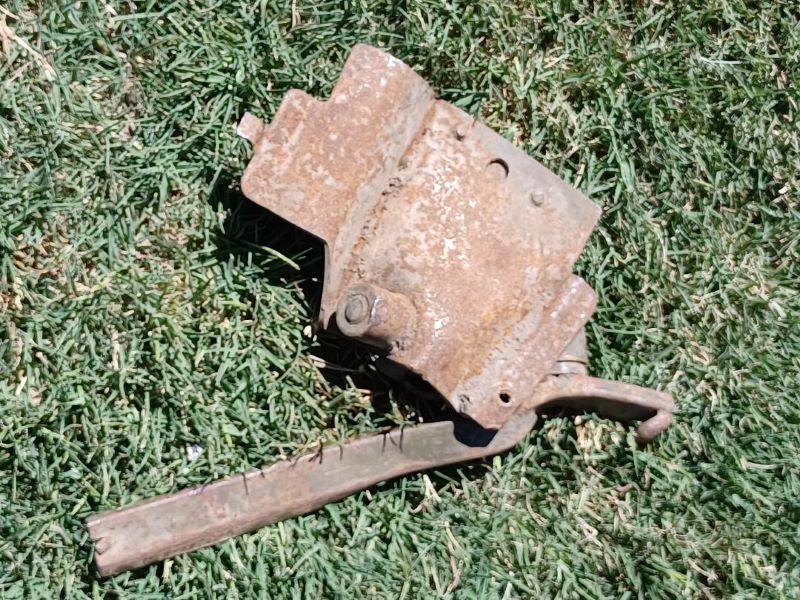
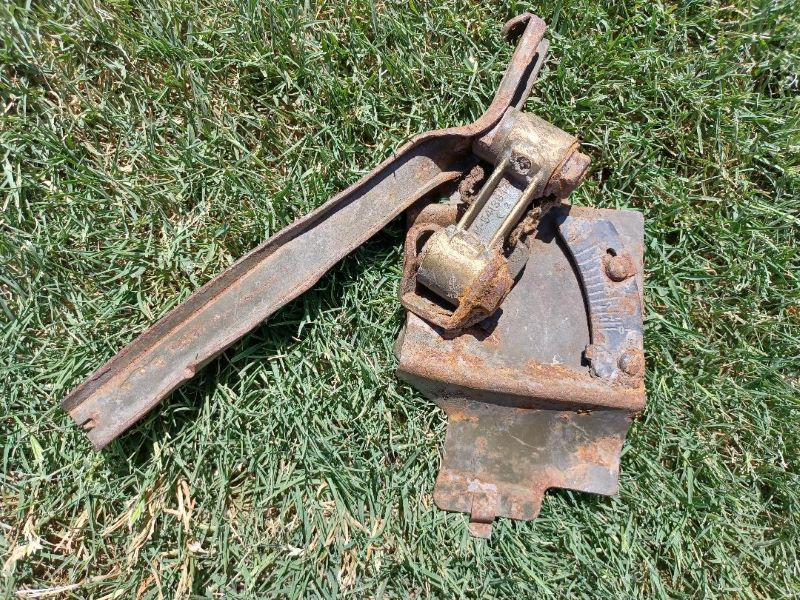
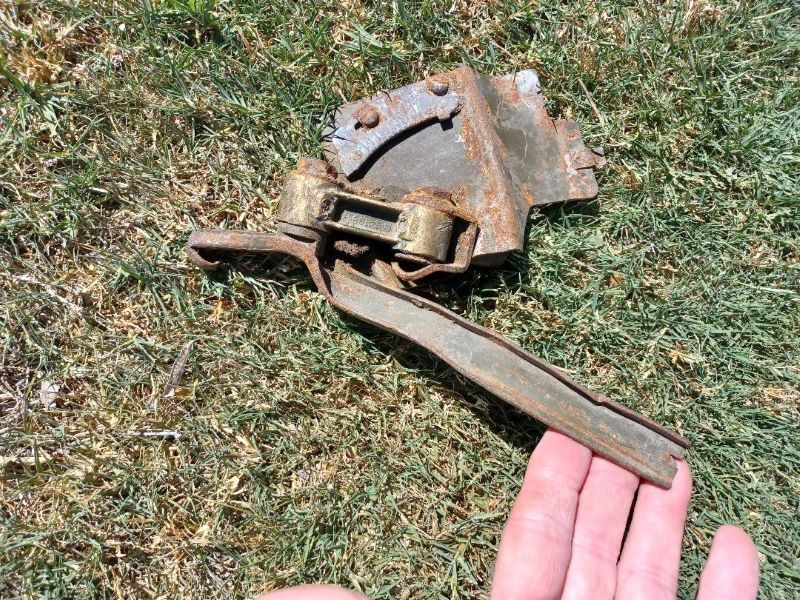
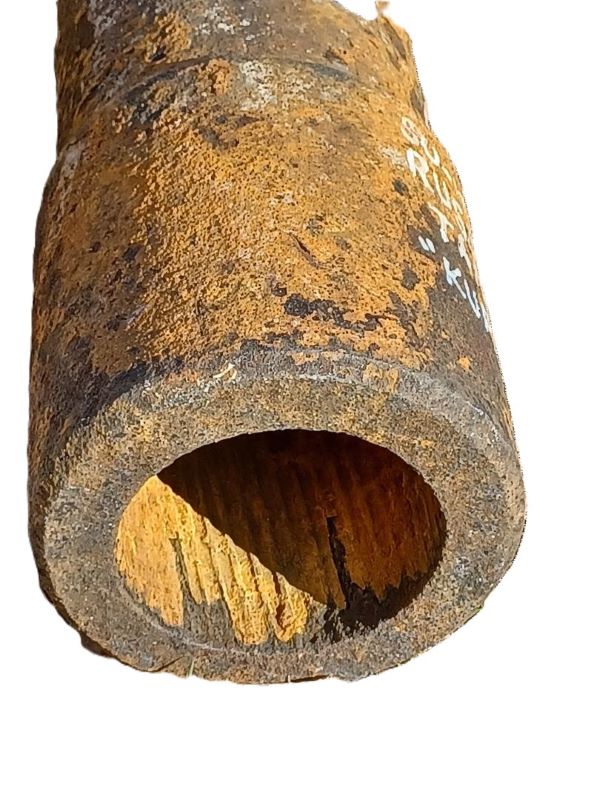
NICE WWII US BAZOOKA ROCKET Inert M6 RELIC Condition ARTILLERY SHELL with short TAILFIN

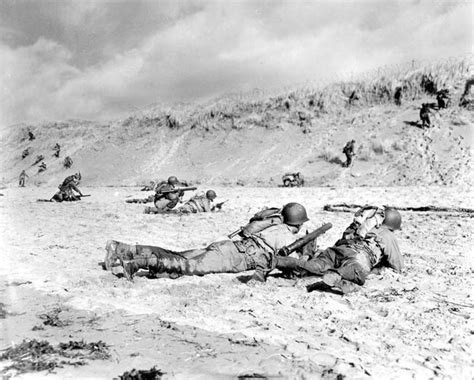
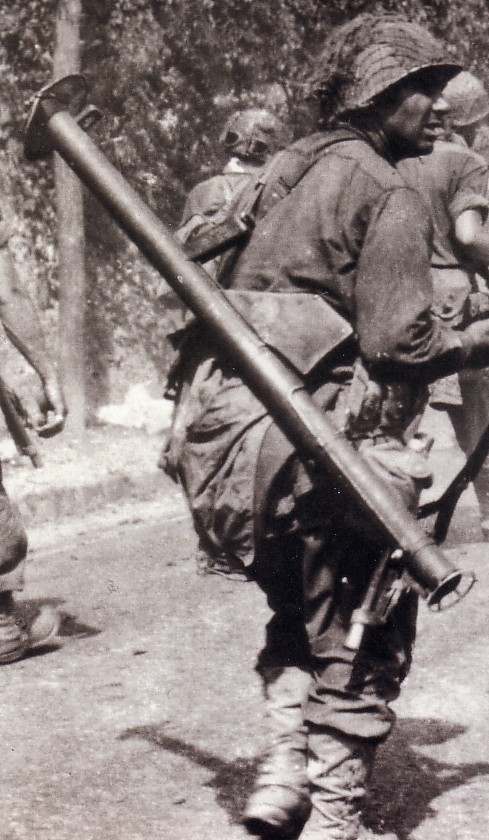
This is a cool relic that just arrived. An early Battlefield pick-up relic BAZOOKA ROCKET short type with tailfin. I believe this is the M6 Rocket. A nice addition to your US Relic ordnance collection. The shell is inert. In late 1942, numbers of early-production American M1 bazookas were captured by German troops from Russian forces who had been given quantities of the bazooka under Lend-Lease was the name of the program under which the United States supplied the United Kingdom, the Soviet Union, Republic of China, Free France and other Allies of World War II with vast amounts of materiel between 1941 and 1945 in return for, in the case of Britain, military bases in Newfoundland and Labrador, Bermuda, and the British W...as well as during the Operation Torch invasions in the North African Campaign
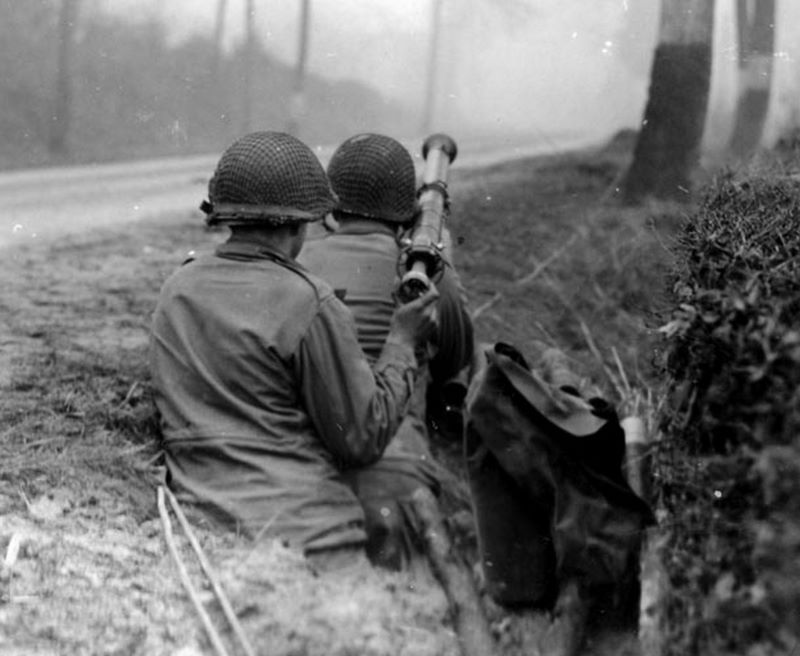
The Germans promptly copied the weapon, and increased the diameter of its warhead from 60mm (2.36 in) to 8.8 cm (3.46 in). In German service, the bazooka was popularly known as the Panzerschreck. The German weapon, with its larger, more powerful warhead, had significantly greater armor penetration; ironically, calls for a larger-diameter warhead had also been raised by some ordnance officers during U.S. trials of the M1, but were rejected. After participating in an armor penetration test involving a German Panther tank using both the RPzB 54 Panzerschreck and the US M9 bazooka, Corporal Donald E. Lewis of the U.S. Army informed his superiors that the Panzerschreck was "far superior to the American bazooka" Despite the introduction of the M9 bazooka with its more powerful rocket—the M6A3—in late 1943, reports of the weapon's effectiveness against enemy armor decreased ala rmingly in the latter stages of World War II, as new German tanks with thicker and better-designed cast armor plate were introduced. This development forced bazooka operators to target less well-protected areas of the vehicle, such as the tracks, bogey wheels, or rear engine compartment. In a letter dated May 20, 1944, Gen. George S. Patton stated to a colleague that "the purpose of the bazooka is not to hunt tanks offensively, but to be used as a last resort in keeping tanks from overrunning infantry. To insure this, the range should be held to around 30 yards."

$90


RARE & INCREDIBLE German WWII Parachute Troops MP38 MACHINE GUN RELIC ! Dug Falaise Pocket NORMANDY !

Ok it doesnt get better than this ! An actual relic from the brutal fightings around Normandy. The barrel section of an MP38 was excavated near the Falaise pocket vicinity. Just one question - How many of these have you seen for sale recently ? The MP38 and MP40 were submachine guns developed in Nazi Germany and used extensively by paratroopers, platoon and squad leaders, and other troops during World War II. The MP40 was characterized by its relatively low rate of fire and low recoil. By the evening of 21 August the combined Allied forces linked up with each other, effectively closing the pocket and trapping 50,000 Germans inside, most of whom were unable to escape and were captured. The closure of the Falaise pocket represented the end of the Battle of Normandy and a defeat for Nazi Germany. Two days later Paris was liberated and by 30 August all German troops had retreated across the River Seine, effectively ending Operation Overlord Don't let this top notch weapon relic get away !

SALE PENDING


RARE to find in any condition ! WWII GROUND DUG CZECH DUO PISTOL Relic carried by a GERMAN PANZER OFFICER - KURSK Salient !

Rare Czech pistol made during the Nazi occupation of Czechoslovakia Chambered in 6.35mm (or .25 cal) it was produced under German occupation, though it was not a widely issued weapon, it had wide popularity in the German officer corps, who purchased many as personal sidearms. This relic was ground dug near the Kursk Salient Battlefield. A fine display relic that is rendered inert as an excavated example.

$ 240


Gun Round Magazine Disc - FURIOUS BULLET RIDDLED Eastern Front !

This is a nice Battlefield excavated Large Machine Gun DISC MAGAZINE for trace rounds that was recovered from fightings around Stalingrad ! Ruchnoy Pulemyot Degtyaryova Pekhotny (Degtyaryov hand-held infantry machine gun) or DP was a light machine gun used by the Soviet Union starting in 1928.The helmet pictured is a seperate liting and can be seen further down the site with impressive shell shrapnel damage. This magazine displays incredible with your bullet struck items and as all know machine gun relics are extremely scarce much more in battle damaged condition such as this. Also weigh in shipping charges on larger items, finally the impressive display factor. An awesome Eastern front relic !

$ 190


RARE RELIC JAPANESE STICK GRENADE ! Incredible Stick Grenade that is near impossible to find in any condition. RELIC CONDITION!

Stick grenade. A grenade of this type was examined in the Far East. (See accompanying sketch.) It is similar in design to the German stick grenade 24, the main points of difference being as follows:
German grenade 24 Japanese grenade
Length of stick 10 in. 5 in.
Length of container 4 in. 3 in.
Diameter of container 2.75 in. 2 in.
Length overall 1 ft. 2 in. 8 in.
Weight 1 lb. 2 oz. 1 lb. 3.5 oz. (approx.)
Weight of filling 6 oz. (T.N.T.) 2 oz. (Lyddite)
Thickness of casing .08 in.

Both grenades are operated by a friction-igniter, powder-delay system and have a delay of approximately 4 1/2 seconds.
The thick cast-iron casing and smaller charge of the Japanese grenade indicate that it is designed for fragmentation, in contrast to the German grenade which relies on blast for its effect.

$ 220


NICE GROUND DUG Relic Condition 1881 SWISS VETERLI Rifle Frame WWI or WWII

Here is a nice display war-used relic condition frame of the SWISS Veterli Rifle that was often used my mountain troops. Relic but solid condition.
$ 90


RARE WWI Ground Dug  Relic 1917 Pattern STICK GRENADE ( Stielhandgranate )  Recovered in FRICOURT, SOMME BATTLEFIELD !

Here is a new overseas arrival that was dug by a digger friend in Fricourt, near the Somme Battlefield. Still retains a portion of the stick attached and fresh from the ground. The Stielhandgranate went through numerous variants, several versions being deployed in World War I before a settled design emerged in 1917. Into World War II the grenade had a slightly smaller head and the unnecessary belt clip was removed. Each change was essentially a move towards a lighter device which was easier and less costly to manufacture, and to these ends the Model 24 was eventually superseded by the simpler Model 43 grenade, although the former continued to be used through to the end of the war.Numerous Ersatz variations were developed towards the end of the war as Germany's resources and production capabilities dwindled. Other than the common high explosive (HE) stick grenade, Germany produced a smokescreen version, which existed in an early and later model and is easily identified by a white band around the handle and (on the later model) a grooved handgrip to permit a user to differentiate it from the regular explosive version in the dark by touch alone. As a cold climate could cause the Model 24 to fail to detonate, a special explosive powder was used in those destined for Russia, and these were marked with "K" (Kalt or "cold") on the can. Inert (non-exploding) training versions were also produced.

$ 90


EQUIPMENT / PERSONAL ITEMS
Romans 8:28 - " This one thing I know: All things work together for good, to them who Love God. To them who are called according to his eternal purpose."

NICE Set of WWII German Officers LUFTWAFFE Eating Utensils and CLOTH INSIGNIA !

Here is a nice original set of German Officers mess knife and fork with maker marks and LUFTWAFFE Service branch insignia embossed. Also included from the same estate is a cloth luftwaffe patch insignia. Utensils from the Luftwaffe are highly sought after. A nice set.

$ 180 for the lot !


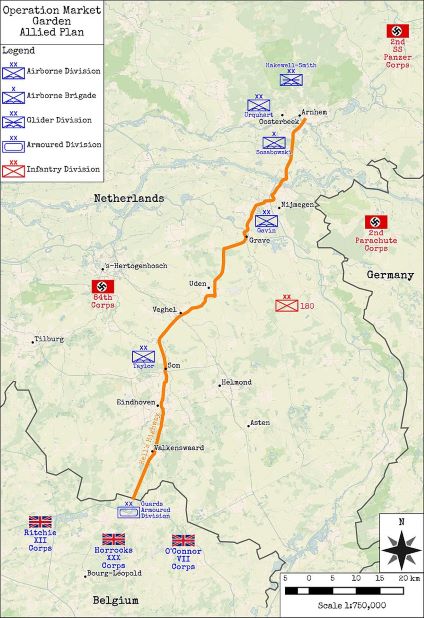
NICE Lot of WWII German Relics - Ground Dug Operation MARKET GARDEN Campaign !

Here is a small grouping of relics ground dug from the Arnhem area. They included German Boot Heel Plates, Mauser Accessory etc. On 5 September, Model's forces were bolstered by the arrival of the II SS Panzer Corps, which consisted of the 9th SS and 10th SS Panzer division under the command of Lieutenant General Wilhelm Bittrich. The Corps had been reduced to approximately 6,000-7,000 men, 20-30% of its original strength due to having been in continuous action since late June including in the Falaise pocket; losses in officers and NCOs had been especially high.Model ordered the two divisions to rest and refit in 'safe' areas behind the new German line; these areas coincidentally were to be Eindhoven and Arnhem.The 10th SS Panzer Division was to be restored to full strength in order to provide an armoured reserve and thus the 9th SS Panzer Division was ordered to transfer all of its heavy equipment to its sister division; it was intended that the 9th would then be transported to Germany for replenishment. At the time of Operation Market-Garden 10th SS Panzer Division had an approximate strength of 3,000 men; an armoured infantry regiment, divisional reconnaissance battalion, two artillery battalions and an engineer battalion, all partially motorized.Other formations were appearing to strengthen the German defences. Between September 16 and 17 two infantry divisions from Fifteenth Army assembled in Braban t, understrength but well-equipped and able to act as a reserve.Near Eindhoven and Arnhem a number of scratch formations were being assembled. Several SS units, including an NCO training battalion and a panzergrenadier reserve battalion, were being prepared to enter combat and Luftwaffe and Kriegsmarine personnel were being grouped into Fliegerhorst and Schiffstammabteilung formations. There were also a number of training battalions that were being equipped, several depot battalions from the Hermann Goering Panzer Division and various artillery, anti-aircraft and field police units scattered throughout the north of the Netherlands.

$ 40


TANK TRACKS
Romans 8:28 - " This one thing I know: All things work together for good, to them who Love God. To them who are called according to his eternal purpose."

GIGANTIC AND IMPRESSIVE ! Ground Dug German "PANTHER" ( Panzerkampfwagen 'V' Panther ) TANK TRACK LINK ( Recovered KURSK Battlefield )

Here is an opportunity to be "the only one on the block" to display an actual King Panther Tank Track Link recovered from the Kursk Battlefield site. In March, the plans crystallized. Walter Model's 9th Army would attack southwards from Orel while Hermann Hoth's 4th Panzer Army and Army Detachment "Kempf" under the overall command of Manstein would attack northwards from Kharkov. They planned to meet near Kursk, but if the offensive went well, they would have permission to continue forward on their own initiative, with a general plan to re-establish a new line at the Don River, several weeks' march to the east. Contrary to his recent behavior, Hitler gave the OKH considerable control over the planning of the operation. Over the next few weeks, they continued to increase the scope of the forces attached to the front, stripping the entire German line of practically anything remotely useful for deployment in the upcoming operation. They first set the attack for 4 May, but delayed in order to allow more time for new weapons to arrive from Germany, especially the new Tiger and Panther tanks. Hitler postponed the offensive several more times. On 5 May, the launch date became 12 June. But due to the potential threat of an Allied landing in Italy, and delays in armour deliveries Hitler set the launch date to 20 June. On 17 June, he further postponed it until 3 July, and then later to 5 July. The basic concept behind the German offensive was the traditional (and, for the Germans, hitherto usually successful) double-envelopment, or Kesselschlacht (cauldron battle). The German Army had long favored such a Cannae-style method, and the tools of Blitzkrieg made these types of tactics even more effective. Blitzkrieg depended on mass, shock, and speed to surprise an enemy and defeat him through disruption of command and supply rather than by destroying all his forces in a major pitched battle.

$ 850


RARE WWII German Panzer IV Heavy TANK TRACK Link RELIC Recovered outside of STALINGRAD !
 
Here is a nice ground dug Eastern Front relic Panzer 4 heavy tank track link that was recovered outside of Stalingrad. In continuous production from 1936 until 1945, the Panzer IV was the armoured workhorse of the German A.`1rmy in the Second World War. Designed originally as a heavy support tank for its stable mate, the lighter Mark III in the Panzer divisions, it became one of the key instruments of the Blitzkrieg victories, in the early war years. Panzer IVF2 tanks of 6th Panzer Division, Panzer Armee Hoth, attempted to fight their way through to the beleaguered Sixth Army at Stalingrad, 12th December 1942. On the 21st the operation was abandoned when the expected breakout from Stalingrad failed to materialise, the relief column was only 25 miles from the city.

$ 340


SOLD ITEMS
Romans 8:28 - " This one thing I know: All things work together for good, to them who Love God. To them who are called according to his eternal purpose."


RARE AND INCREDIBLE ! A German WWII MG34 Anti-Aircraft Machine Gun RING SITE Relic EXCAVATED from STALINGRAD !

This is an absolutely wonderful display relic that was recovered in the 1990'S from German positions near Stalingrad. The Rear MG34 Anti-aircraft site measures 4 1/4 inches. The site was an accessory added by the Whermacht in 1936 from what I understand and was instrumental in bringing down many Russian aircraft. The Site was not adaptable on the later MG42's. This would be an awesome addition to your WWII relic display. Hard to part with this one..

SALE PENDING


NICE RELIC Hedgerow find WWII US FIXED BALE Helmet - Faint paint UNIT or SERIAL numbers seen through patina on FACE - Recovered near ST. MARIE EGLESE !

Here is a nice helmet that arrived today. Relic condition hedgerow find with part of a chin strap still attached. Some numerals can be faintly seen painted on the face unsure of significance. A neat WW2 relic GI helmet missing one of the fixed bales that was left behind. Wish it could tell its story .. The town's main claim to fame is that it played a significant part in the World War II Normandy landings because this village stood right in the middle of route N13, which the Germans would have most likely used on any significant counterattack on the troops landing on Utah and Omaha Beaches. In the early morning of 6 June 1944 mixed units of the U.S. 82nd Airborne and U.S. 101st Airborne Divisions occupied the town in Operation Boston, giving it the claim to be one of the first towns liberated in the invasion. The early landings, at about 0140 directly on the town, resulted in heavy casualties for the paratroopers. Some buildings in town were on fire that night, and they illuminated the sky, making easy targets of the descending men.

SOLD


RARE DUG UPWWII ( PRIZED ) Relic German LUGER P08 Recovered from the ARDENNES near BASTOGNE !

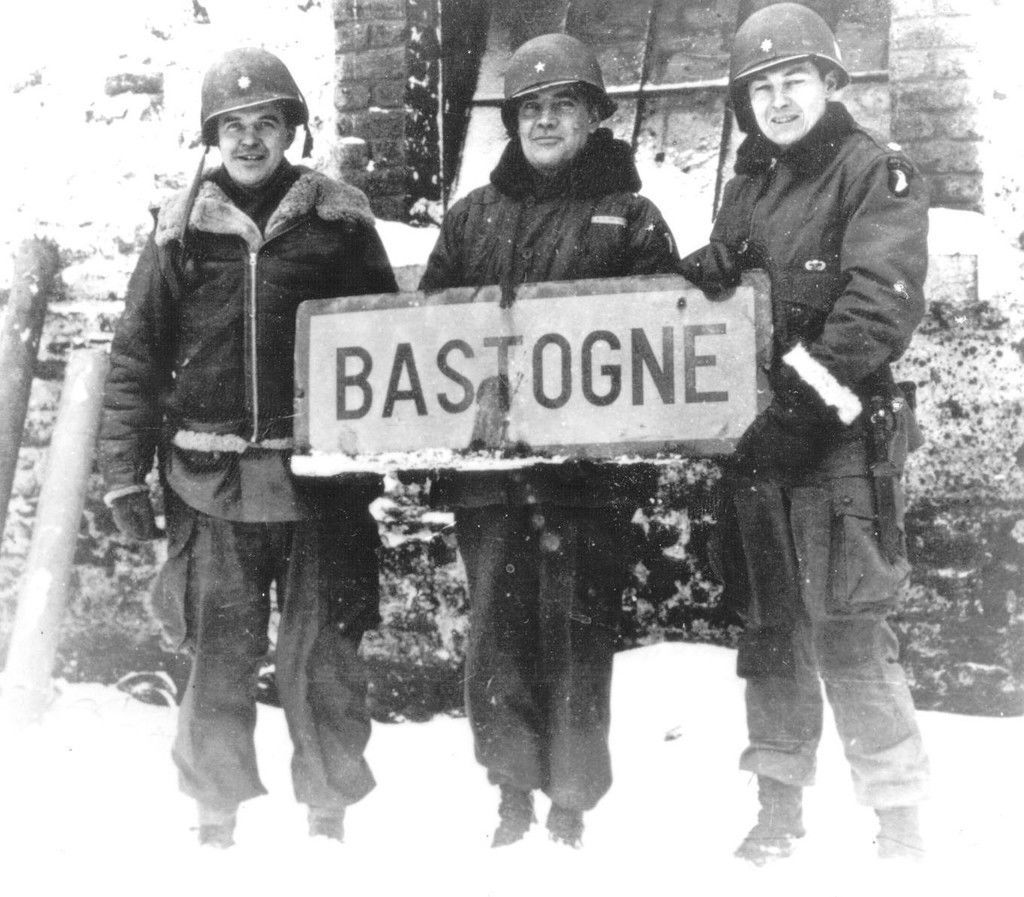
The lead divisions of Manteuffel's Fifth Panzer Army arrived at the outskirts of Bastogne, which was the key road junction for his drive from the South to the Meuse River and Antwerp. There had been a race between the Fifth Panzer Army and the American 101st Airborne division as to who would get to Bastogne first and hold it. The Americans won, but by December 25th, the Germans had surrounded the city and had moved on. Bastogne would become the heroic pocket of American resistance to the German offensive, and would be the object of General Patton's amazing counterattack against the German Southern flank.
1st SS Panzer Corps headquarters received orders from 6th SS Panzer Army to find some way to reinforce Peiper and make his increasingly boxed in KG mobile again. Holding the bridgehead on the hill at Wanne was E Company, 2nd Battalion, 505th Regiment of the 82nd Airborne Division. Led by assault guns, German infantry hit the hill from the front while other men infiltrated along the flanks. Impeded by the soggy ground, the vehicles soon halted and fierce hand-to-hand fighting began. Outnumbered, the Americans fell back across the bridge to the other side of the Salm with the Germans following close on their heels. A number of the SS got across and formed a bridgehead on the American bank. But their success was short-lived. The 2nd Battalion reformed and, supported by the firepower of some engineers and artillery soon pushed the Germans back across the river. Later that afternoon the US engineers blew up the bridge.
The defenders of Bastogne are offered an ultimatum for surrender or death. The commander in Bastogne, General McAuliffe, answered "Nuts". This was to signify the entire American defensive effort during this German offensive, as across the entire front, overmatched American units continually fought hard and slowed the advance with costly effects to the German's strict timetable for this operation

A nice display example of an authentic ground dug non-working curio/relic that is sold for display only.

SOLD


RARE !! AWESOME AND INCREDIBLE WWII Dug up T-34 Russian TANK Track Links Section Recovered NARVA BATTLEFIELD !

This incredible relic section of 2 large track links and pin to a RUSSIAN T-34 TANK was excavated near the Narva Bridgehead in present day Estonia. From February to September 1944, heavy battles were fought in the narrow, 50 km-wide, Narva front in the north-eastern part of Estonia. Over 100,000 men were killed and 300,000 men were wounded there. So vicious were the Soviet counterattacks that 5. SS-Panzer grenadier Division “Wiking” was moved forward from Army Group reserve to stem the red tide. The brave men of Battalion “Narwa” were sent to the town of Izium on the southern end of the front line to hold until relieved. Having seen firsthand the battering taken by their predecessors, 46. Infantry Division, the battalion held no misconceptions about the hell they were moving towards. Firmly entrenched by 17 July, the soldiers of the battalion were greeted that morning by an enormous Soviet artillery barrage. Soon after, combined arms attacks consisting of tanks and infantry smashed into the dug in Estonians. Nearly overwhelmed by their armored foes, the SS men were saved by the timely and accurate shooting of the battalion’s anti-tank guns, six in all. Within minutes of this initial attack half of the 20 T-34 tanks sent by the Soviets had been destroyed. After mopping up the remaining enemy infantry, the Estonians were only allowed a brief respite as another armored column advanced on their positions. Counted amongst the onrushing tanks were American lend-lease medium tanks, newly arrived from the harbour at Murmansk. These tanks too were knocked out by Estonian and German anti-tank guns, the tally for the day amounting to 28 destroyed armored vehicles. These are next to impossible to find for sale.

HOLD


INCREDIBLE Battle Damaged MARKET GARDEN Campaign Battle Damaged BROWNING PISTOL RELIC !

Here is an incredible battle damaged Browning Pistol that was dug near Arnhem. The pistol frame still has a clip wedged inside. The slide portion is gone. These were used by both German, British, and US troops. Browning Hi-Power pistols were used during World War II by both the Allied and the Axis militaries. After occupying Belgium in 1940, German forces took over the FN plant. German troops subsequently used the Hi-Power, having assigned it the designation Pistole 640(b) ("b" for belgisch, "Belgian"). Examples produced by FN in Belgium under German occupation bear a German inspection and acceptance mark, or Waffenamt, such as WaA613. In German service, it was used mainly by Waffen-SS and Fallschirmjäger personnel. During Operation Market-Garden (September 1944), a town on the lower Rhine in the eastern Netherlands where 16, 500 British paratroopers from the 1st Airborne Division and 3, 500 glider-borne troops sought to seize bridges from remnants of Germany's 9th and 10th SS Panzer Divisions (Garden), while the American 82nd and 101st Airborne divisions captured bridges between Eindhoven and Veghel (Market). The American effort succeeded (with about 3, 500 casualties), but because the British Guards Armoured Division could not re inforce the 1st Airborne quickly enough, the paratroopers were forced to withdraw. About 1,000 were killed in the battle, 2,000 escaped, and 6,000 were taken prisoner.

SALE PENDING


ABSOLUTELY STUNNING RELIC !!! US WWII Ground Dug BATTLE DAMAGED 101st Airborne 327th GLIDER INFANTRY Regiment Painted HELMET !

A fine Normandy - D-Day Relic Helmet that was recovered in the 1980's on the Vierville Rd. Helmet shows battle damage and a clear strike on the rim. In June 1944, the decision to drop both the 82nd and 101st Airborne Divisions simultaneously into Normandy reduced the number of available aircraft to tow the gliders for a glider assault. The 327th Glider Infantry Regiment was ordered to land across Utah Beach with the 4th Infantry Division on D-Day. Its mission was to move to Carentan to cut off the fleeing Germans. Although causalities were high, the mission was accomplished and the Regiment moved back to England to prepare for its next mission. The next combat operation the Regiment would participate in would be Operation “Market Garden,” the airborne invasion of Holland.The Regiment, along with allied units, endured 73 days of continuous combat. After the fighting settled down, the 327th occupied the front lines for 48 days until ordered to withdraw from Holland.The Regiment went back to France to rest and recuperate before the next operation. The Ardennes - Battle of the Bulge On 16 December, 1944, the Germans launched an offensive in the west through the Ardennes Forest. The 101st Airborne Division was ordered to the vitally important town of Bastogne.Bastogne was the key to the German counteroffensive and had to be held at all cost by the 101st. The Regiment arrived at Bastogne on 19 December following a hundred mile truck march. The 327th immediately assumed a defensive sector south of Bastogne. By 22 December the Germans had completely surrounded Bastogne and on the 23rd the German Commander offered terms of surrender to General McAuliffe, the acting Division Commander. His reply was “Nuts.” The German delegation had come through the 327th sector and Colonel Harper was given the responsibility of relaying General McAuliffe’s response.The Germans said they did not understand. Colonel Harper replied, “The reply is decidedly not affirmative – in plain English, it is the same as ‘Go to Hell.’ Although encircled and outnumbered, American forces withstood all attempts by the Germans to take positions, including Germans dressed in American uniforms. The 327th Regiment held for nine days, until relieved by the 4th Armored Division. Despite suffering heavy causalities, the Regiment took 750 prisoners, knocked out 144 Nazi tanks and 105 other enemy vehicles. For its actions as a unit in the defense of Bastogne, the 327th the Regimental motto “Bastogne Bulldog.”


SALE PENDING


FINE EXAMPLE of a Battlefield Pick-up Relic US AIRBORNE 501st DIAMOND Regiment Helmet that was recovered between Vierville and Angloville Au Plain !

This helmet is in nice battlefield pick-up relic condition aside from some rusting throough the crown with the original lining and the clear diamond paint insignia visible. On D-Day, the 501st Parachute Infantry managed to capture its prime objective, the lock at la Barquette. However, strong resistance kept it from seizing St. Côme-du-Mont and destroying the rail and highway bridges north of Carentan. This helmet was recovered between Vierville and Angoville Au Plain. The helmet has the original liner and the helmet has faint but visible Diamond insignia. The regiment was badly dispersed during its drop. Particularly hard hit were members of the 1st Battalion command group. However, the regiment's commander, Colonel Howard R. Johnson, landed squarely in the middle of the planned drop zone. Moving toward his objective, Johnson collected some 140 miscellaneous men. Sending 50 men ahead to overrun the lock, Johnson placed the balance of his force in defensive positions near the lock. After securing this prime objective, Johnson sent combat patrols toward the bridges 2,000 yards away. This effort drew heavy German fire and decided the colonel to limit himself to holding the lock while trying to move north to make contact with elements of his regiment at Bse. Addeville. Johnson took about 50 men toward this village in hopes of collecting enough strength to continue against St. Côme-du-Mont. Arriving at Bse. Addeville around 0900, Johnson found that his regimental S-3 Major R.J. Allen, had collected a mere 100 miscellaneous men and that they were already engaged with Germans to the north and west. Johnson was puzzled as to how to proceed given the paucity of strength.

SALE PENDING


DUG ARTILLERY & WEAPONS
Psalm 103:12 "As far as the East is from the West so far has He removed our transgressions from us"
UNIFORM ITEMS
2 Corinthians 5:14 "The Love of Christ compels us "
MISCELLANEOUS WW I & II
1 Corinthians 3:11 "No other foundation can anyone lay than that which is laid, which is Christ Jesus"
SOLD ITEMS
Romans 8:28 - " This one thing I know: All things work together for good, to them who Love God. To them who are called according to his eternal purpose."


UPDATED RULES OF ENGAGEMENT 2008 Contact Mark anytime at 602-692-7158

Thank-you for visiting my relic sites. The site was designed when I was a collector that wanted to rotate items from my collection for sale. The site grew into a little business as I attended more shows and started actively seeking historical items as a value price to offer for sale. My regular and new customers have made this site a success as well as Gods providence as I owe my very breath to my Lord and Saviour and he has blessed my passion for history and allowed me to do what I love. That being said here are a few terms for your purchase of a piece of history that comes available. Please read carefully as the terms have changed.

AUTHENTICITY
All items listed are guaranteed authentic, with over 35 reference books and collecting artifacts since 1994. I make no claims to be an expert and there isn't a day that goes by that I don't learn something new relating to arms and equipment of these brave soldiers.

PAYMENT
I accept as payment - check, money order, paypal, and of course anything with a pelican on it dating to the Civil War ....lol

DISCLAIMER
This site and BLUEGRAYRELICS.COM does not support politics and ideology of the Third Reich and its leaders. All items are sold as collectible relic items and are not sold for actual use. BLUEGRAYRELICS & GREATWAR Relics are designed to offer for sale historical artifacts for the collector and historian and is in no way responsible for misuse of the intended sale of an artifact.

Please contact me for availability as inventory is updated by a third party. Make check payable to:

Mark Shuttleworth
PO Box 1361
Queen Creek, AZ
85242

PAYPAL PAYMENT address is mshutt3@aol.com

REFUND POLICY
I offer a full refund on any purchase within 10 days of purchase for any reason, however, item must be returned in same, unaltered condition as when originally purchased. When pricing an artifact I use many price guide references including NSTCW and Warmans as well as comparing prices of my peers websites. Many factors influence the market value of an artifact at the time of posting and from time to time you may see changes in my posted price as I adjust to fair market values. That being said I have repeated compliments by my customers that I usually sell artifacts much less than they see available. My mission statement is to provide the most unique, high quality artifacts at a price much less than book value and in turn offer it for sale. For me the joy is " In the hunt "


DISCOUNTS / LAYAWAYS / MAKING A PURCHASE WORK FOR YOU !
From time to time I may offer sales or discounts on items. The sales are for that item at that specific time. I will accept offers on all items unless a firm price is stated. I offer the most competitive terms among my peers. I also offer fantastic layway terms. Please contact me as it will be a case by case basis and designed to meet your payment needs. 602-692-7158


CONSIGNMENTS
I currently am listing many consignments from my customers and would be happy to list your quality Civil War- WWII artifact. Please contact me for terms as they are the most competitive in the circle. 602-692-7158


FIREARMS / ORDNANCE
I am in no way responsible for any misuse of antique weapons purchased from this site. I abide by selling either excavated de-activated firearms as relics and curios and take no responsibility for misuse or illegal use of an artifact after it has been purchased.

FINALLY
Please call to ask any questions before purchase as inventory sells daily so if you like something please do not delay. Thanks for visiting my site may God Bless you. Proverbs 3:5-7